



Learn why qualified website traffic outperforms high-volume visits and how search intent, targeted SEO, and conversion metrics drive sustainable growth.
Ask any business owner what they want from SEO, and the answer is often the same: more website traffic. Higher visitor numbers seem like an obvious indicator of success, and many companies celebrate every increase in organic traffic as proof that their marketing strategy is working. However, traffic alone doesn’t pay the bills. Revenue comes from visitors who become customers—not from those who simply land on a page and leave.
This is where qualified website traffic becomes the true measure of SEO success. A website attracting 1,000 visitors who are actively searching for a solution will often outperform another website receiving 100,000 visitors with little or no purchasing intent. The difference lies in relevance, search intent, and the likelihood of conversion.
Modern SEO is no longer about attracting the largest possible audience. Instead, it’s about reaching the right audience at the right stage of the buying journey. In this guide, you’ll learn why qualified website traffic matters more than traffic volume, how Google rewards intent-driven content, and the strategies you can use to attract visitors who are genuinely interested in your products or services.
What Is Qualified Website Traffic?
Before you can improve traffic quality, it’s important to understand what qualifies a visitor as “qualified.” Many businesses focus on increasing overall traffic without considering whether those visitors actually match their ideal customer profile.
Qualified website traffic refers to visitors who arrive on your website because your content, products, or services closely align with what they are searching for. These users are more likely to engage with your content, explore multiple pages, request additional information, or complete a purchase.
Unlike general traffic, qualified visitors already have a specific goal. They may be comparing products, researching service providers, checking pricing, or looking for a solution to a problem they are ready to solve. Because your website directly addresses their needs, they naturally have a much higher probability of converting.
On the other hand, unqualified traffic often comes from overly broad keywords, misleading titles, or audiences outside your target market. Although these visitors increase pageviews, they rarely contribute to meaningful business results.
The difference between these two types of visitors highlights an important principle: attracting fewer but more relevant users is almost always better than attracting large numbers of people with no real interest in your business.
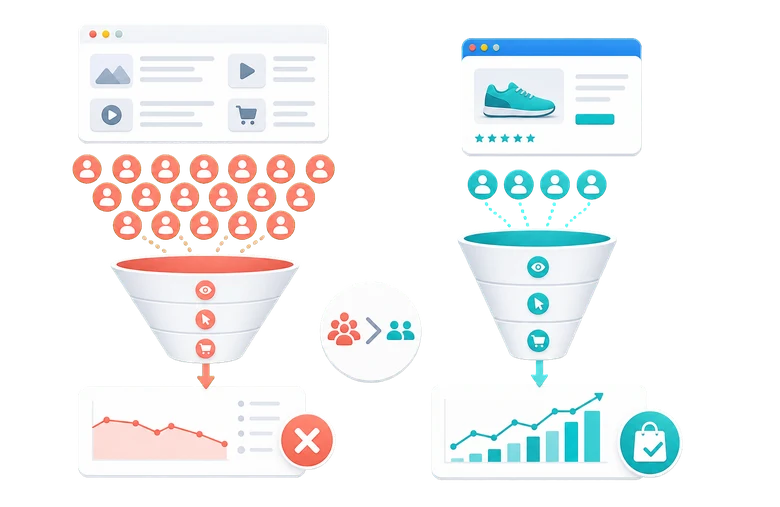
Why Traffic Volume Doesn’t Guarantee Business Growth
Website traffic is an important SEO metric, but it should never be viewed in isolation. High traffic numbers can create the illusion of success while hiding problems such as poor engagement, low conversion rates, and weak return on investment.
Imagine two businesses operating in the same industry. One attracts 100,000 monthly visitors through broad informational articles but converts only a tiny percentage into customers. The other attracts just 1,000 monthly visitors through highly targeted content focused on customer pain points, pricing, and buying decisions. Although the second business receives significantly less traffic, it may generate far more revenue because its audience has stronger purchase intent.
This is why experienced marketers look beyond visitor counts. Instead of asking how many people visited the website, they ask how many visitors became qualified leads, requested a consultation, or completed a purchase.
When traffic quality improves, almost every other marketing metric improves as well. Conversion rates increase, customer acquisition costs decrease, and sales teams spend less time following up with unqualified prospects.

Buy Organic Traffic
If you want to increase your website traffic through Google and have a targeted impact on Google's algorithms, use the increase Google traffic Seovisitor service.
Understanding Buyer Intent and Search Intent
One of the biggest reasons qualified website traffic performs so well is that it aligns with buyer intent. Search engines have become increasingly sophisticated at understanding why users perform a search, not just what they type into the search bar.
A person searching for “What is CRM?” is probably looking for basic information. Another person searching for “Best CRM software for small businesses” is comparing solutions and is much closer to making a purchasing decision. Although both searches involve the same topic, the second visitor is significantly more valuable from a business perspective.
Google recognizes these differences through search intent. Content that closely matches the user’s expectations is more likely to rank well because it provides a better search experience.
Businesses that understand buyer intent create content for every stage of the customer journey. Educational articles build awareness, comparison guides support decision-making, and service or product pages encourage visitors to take action. This approach not only improves rankings but also increases the likelihood of converting visitors into customers.
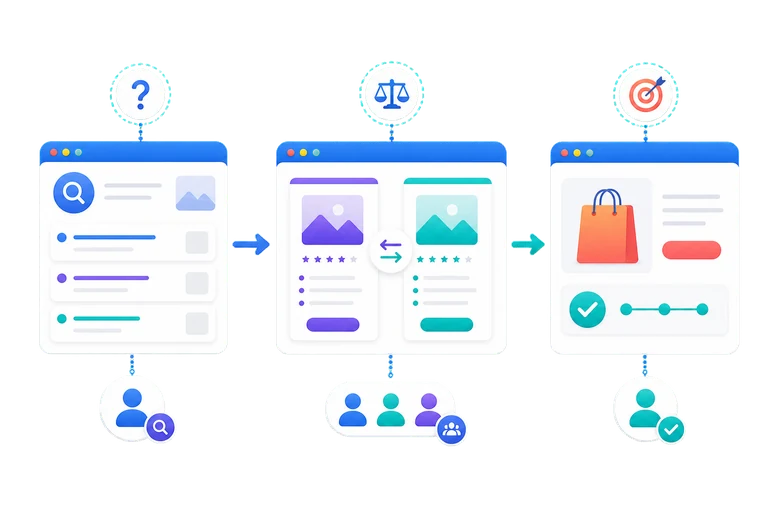
How Google Rewards Qualified Website Traffic
Google’s goal is to deliver the most useful and relevant results for every search query. As a result, the search engine increasingly rewards websites that focus on solving user problems rather than simply targeting high-volume keywords.
The Helpful Content System is a clear example of this approach. Google favors content that demonstrates expertise, answers questions thoroughly, and provides practical value. Articles written solely to attract clicks without satisfying user intent are less likely to maintain strong rankings over time.
This means SEO is no longer about publishing the largest number of articles. Instead, success comes from creating high-quality content that directly addresses your audience’s needs.
Websites that consistently attract qualified visitors often experience stronger engagement signals. Visitors spend more time reading content, explore additional pages, and interact with calls to action. These positive behaviors indicate that the content matches user expectations, reinforcing its relevance in Google’s ranking systems.
Rather than chasing every high-volume keyword, businesses should focus on becoming the most useful resource for a specific audience. Over time, this strategy builds authority, trust, and sustainable organic growth.
How to Attract More Qualified Website Traffic
Attracting qualified visitors starts with understanding your audience. Instead of trying to appeal to everyone, successful businesses identify their ideal customers and create content specifically designed to answer their questions.
Keyword research should focus on user intent rather than search volume alone. Keywords containing terms such as best, pricing, review, comparison, or services often indicate stronger commercial intent than broad informational phrases.
Long-tail keywords are another powerful opportunity. Although they usually receive fewer searches, they attract users with very specific needs. Someone searching for best SEO agency for healthcare businesses is much closer to hiring an agency than someone simply searching for SEO.
Creating content clusters around related topics also improves traffic quality. Educational blog posts can introduce readers to a topic, while internal links guide them toward comparison articles, case studies, and service pages that support the buying process.
Finally, don’t overlook the importance of conversion-focused landing pages. Even highly qualified visitors may leave if your landing pages fail to answer their questions, establish trust, or provide clear calls to action.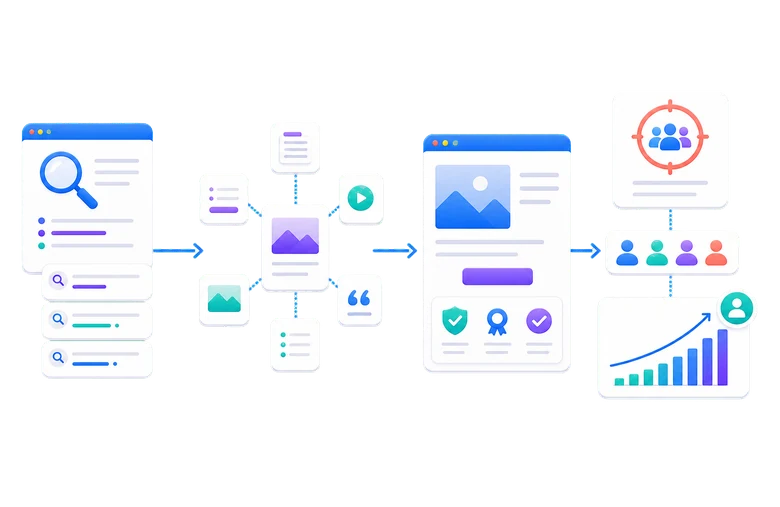
The Metrics That Matter More Than Traffic
While increasing website traffic is often considered a sign of SEO success, traffic alone doesn’t provide a complete picture of your website’s performance. A high number of visitors means little if those users leave without taking meaningful action or contributing to your business goals. To truly measure the effectiveness of your SEO strategy, you need to look beyond pageviews and focus on performance indicators that reveal how visitors interact with your website and whether they ultimately become customers. The following metrics provide a much clearer understanding of the quality of your traffic and the real business value your SEO efforts generate.
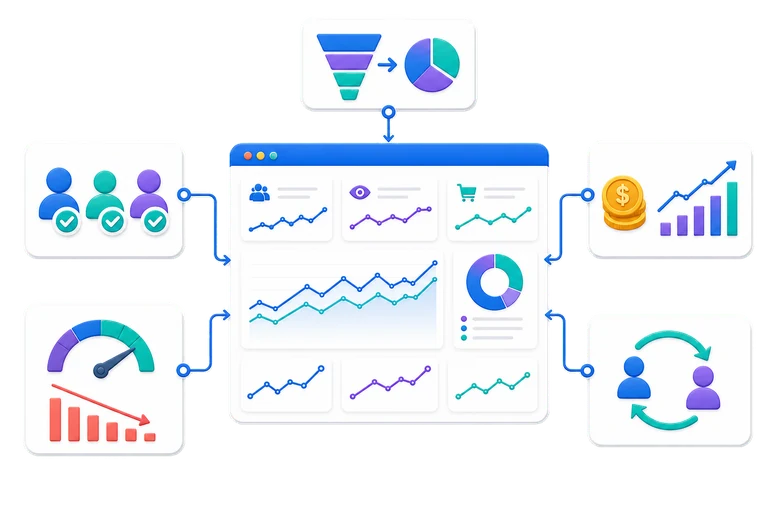
Conversion Rate
Conversion rate is one of the most important metrics for evaluating qualified website traffic. It measures the percentage of visitors who complete a desired action, such as making a purchase, filling out a contact form, requesting a quote, or booking a consultation. Even a modest improvement in conversion rate can generate significantly more revenue than simply increasing visitor numbers. A high conversion rate typically indicates that your website is attracting people who are genuinely interested in your products or services and that your content successfully matches their search intent.
Qualified Leads
Not every lead has the same value. Qualified leads are prospects who fit your target audience and have a realistic likelihood of becoming paying customers. Tracking the number of qualified leads generated through organic search helps you determine whether your SEO strategy is reaching the right people rather than simply increasing inquiries from users who have little interest in your business. This metric is especially valuable for service-based companies and B2B organizations where lead quality directly impacts sales performance.
Revenue Per Visitor
Revenue per visitor measures how much income, on average, each website visitor generates. Unlike traffic volume, this metric connects SEO performance directly to business results. If revenue per visitor continues to increase, it usually means your content is attracting a more relevant audience with stronger purchasing intent. Monitoring this metric allows businesses to identify which pages, keywords, and marketing campaigns contribute the greatest financial value.
Customer Acquisition Cost (CAC)
Customer Acquisition Cost (CAC) calculates how much your business spends to acquire a new customer through marketing and sales efforts. When your website attracts more qualified traffic, conversion rates improve and the overall cost of acquiring each customer typically decreases. Reducing CAC while maintaining or increasing revenue is a strong indicator that your SEO strategy is becoming more efficient and profitable over time.
Customer Lifetime Value (CLV)
Customer Lifetime Value (CLV) estimates the total revenue a customer is expected to generate throughout their relationship with your business. High-quality organic traffic often produces customers who are more engaged, more loyal, and more likely to make repeat purchases. Comparing CLV with Customer Acquisition Cost helps businesses evaluate the long-term profitability of their SEO investment and determine whether their strategy is attracting customers who deliver lasting value rather than one-time sales.
Common Mistakes That Reduce Traffic Quality
Many websites struggle with low conversion rates because they unknowingly attract the wrong audience. One of the most common mistakes is targeting keywords based solely on search volume. Although these keywords may generate impressive traffic numbers, they often attract visitors who have no intention of becoming customers.
Another mistake is creating generic content designed for everyone. Articles that try to appeal to every type of reader usually fail to satisfy anyone completely. Instead, content should address the challenges, goals, and questions of a clearly defined audience.
Businesses also frequently overlook internal linking. When educational articles fail to connect readers with service pages, pricing information, or case studies, visitors often leave the website without taking the next step.
Finally, many companies measure success using vanity metrics such as pageviews or impressions while ignoring the indicators that truly matter, including conversions, qualified leads, and revenue.
Avoiding these mistakes helps businesses attract visitors who are genuinely interested in their products or services, improving both user experience and SEO performance.
Conclusion
Generating more website traffic has never been the ultimate goal of SEO. The real objective is attracting visitors who are genuinely interested in your business and are likely to become long-term customers.
Throughout this guide, we’ve seen why qualified website traffic consistently outperforms high volumes of unqualified visitors. By focusing on buyer intent, creating content that matches search intent, targeting relevant keywords, and optimizing for conversions, businesses can generate stronger results without relying on massive traffic numbers.
Rather than chasing vanity metrics, build an SEO strategy that prioritizes relevance, trust, and customer value. Over time, attracting the right audience will improve conversion rates, increase revenue, and create sustainable business growth.
Frequently Asked Questions
Quick answers to common questions about qualified website traffic
Large traffic numbers can hide weak relevance, low conversion rates, wasted support and advertising costs, and misleading analytics. Traffic is valuable when it contributes to business goals, not simply when it increases session counts.
High-intent traffic comes from visitors showing strong signs that they want to solve a problem, compare options, contact a provider, or buy. Search terms, landing-page behavior, source, and completed actions provide stronger evidence than pageviews alone.
Target specific search intent, create pages for the right audience, use clear offers, align ads and content with landing pages, improve local or geographic targeting, qualify visitors before conversion, and promote through relevant channels.
Useful metrics include qualified leads, conversion rate, revenue per visitor, customer acquisition cost, customer lifetime value, repeat visits, meaningful events, and source-level profitability. Interpret engagement metrics in the context of the page's purpose.
Divide the revenue attributed to a traffic segment by the number of visitors in that segment. Compare equivalent periods and sources, and account for delayed conversions or repeat purchases when they materially affect customer value.
Yes. Large volumes of irrelevant or automated visits can distort engagement rates, audiences, retargeting pools, conversion analysis, testing results, and automated optimization systems, making it harder to understand real customer behavior.
Qualified website traffic consists of visitors whose needs, location, intent, and characteristics match the page, offer, and business. These visitors are more likely to engage meaningfully, become leads, purchase, or return.


Comments
Leave a Comment