


Learn what organic SEO means, how it differs from paid search, and the practical steps that improve visibility, qualified traffic, and conversions.
Organic SEO is the process of improving a website so its pages can be discovered, understood, and shown in unpaid search results. It combines technical accessibility, search-intent research, useful content, internal linking, reputable mentions, and a strong page experience.
The objective is not simply to attract the largest possible number of visits. Effective organic SEO brings relevant people to pages that answer their questions and guide them toward a meaningful next step. Rankings, clicks, engagement, leads, and revenue should therefore be evaluated together.
What does organic SEO mean?
Organic SEO, also called organic search optimization, focuses on visibility in the non-advertising section of search results. A search engine discovers URLs, crawls accessible content, decides which version of a page to index, and evaluates which indexed pages may be useful for a query.
SEO helps that process by making the site technically accessible and by presenting clear, reliable information in language the intended audience uses. It does not provide a guaranteed position. Search results can change because of competition, user context, content quality, technical issues, and updates to search systems.
Organic SEO vs. paid search
Organic and paid search can both introduce a business to people who are actively looking for information, products, or services, but the acquisition models are different. Paid search buys advertising placement and can generate visits while a campaign is funded. Organic search earns visibility by improving pages and the wider website over time.
- Cost model: organic clicks do not carry a direct cost per click, but research, content, development, outreach, and measurement require resources.
- Speed: advertising can create traffic quickly, while organic progress usually develops over weeks or months.
- Control: paid campaigns offer direct control over bids and targeting; organic visibility depends on relevance, competition, indexing, and search systems.
- Durability: a useful indexed page may continue attracting visits, but it still needs maintenance as facts and search intent change.
Why organic SEO matters
People use search engines when they want to learn, compare, solve a problem, or complete a transaction. Appearing for relevant searches can connect a website with demand at the moment it is expressed. Organic SEO can also improve navigation, accessibility, content quality, and measurement across the site.

Qualified discovery
A page aligned with a specific query can attract visitors whose needs match its topic. This is more valuable than collecting unrelated sessions that never engage or convert.
Compounding content value
Research, tutorials, comparison pages, and product information can continue serving users after publication. Internal links and periodic updates help useful resources remain discoverable.
Better business intelligence
Search Console data can reveal the queries, pages, countries, devices, impressions, clicks, click-through rate, and average position associated with Google Search. Analytics can then show what visitors do after arriving.
How to build an organic SEO strategy
A sustainable program begins with a clear audience and business outcome. The following seven steps create a practical sequence without treating any single tactic as a shortcut.
1. Define the audience and conversion goal
Choose the people the site needs to reach and the action that indicates value, such as a purchase, qualified inquiry, signup, download, or product trial. Map each page to one primary audience need and one sensible next step.
2. Research topics, queries, and search intent
Use customer conversations, site search, Search Console, keyword tools, and competitor pages to identify how people describe their needs. Evaluate relevance, intent, business value, and realistic competition instead of selecting phrases only because they show a large estimated volume.
Group close keyword variations when they share the same intent. Create separate pages when users clearly expect different answers, such as a tutorial, comparison, service page, or pricing page.

Use the related keyword guide to refine the research step before continuing with technical implementation.
3. Make important pages crawlable and indexable
Every priority URL should be reachable through a normal HTML link from another discoverable page. Review status codes, robots directives, canonical tags, XML sitemaps, redirects, duplicate URLs, mobile rendering, and the indexing reports in Search Console.
Submitting a sitemap helps discovery but does not guarantee indexing. A page still needs accessible content and a clear reason to be included in search results.
4. Create people-first content
Answer the central question early, then support the answer with useful steps, examples, evidence, limitations, and decision criteria. Use descriptive H2 and H3 headings, concise paragraphs, helpful images, and plain language. The page should satisfy a reader even if the search engine did not exist.
Avoid creating many thin pages for minor keyword variations. A comprehensive page that covers one intent well is usually more useful than several overlapping pages that repeat the same information.
5. Improve page experience and performance
A technically eligible page can still lose visitors if it is slow, confusing, intrusive, inaccessible, or difficult to use on a phone. Compress images, reserve their dimensions, reduce unnecessary scripts, use caching appropriately, and test important templates on real devices.
Do not treat one performance score as the entire objective. Review the overall experience, including navigation, readability, security, mobile usability, visual stability, and whether the page quickly delivers what its title promised.

6. Build useful internal links
Internal links help visitors continue their journey and help search engines discover relationships among pages. Link from relevant established content to priority resources, use descriptive anchor text, and make sure orphan pages are connected to the site structure.
Links should provide context rather than exist only to repeat a keyword. Navigation, category pages, breadcrumbs, contextual links, and related resources can work together without overwhelming the reader.

The related backlink guide explains how external references complement an internal linking plan.
7. Earn relevant mentions and measure results
Original research, expert commentary, tools, templates, demonstrations, and genuinely useful guides give other publishers a reason to mention a page. Promote strong resources to relevant communities and partners, but avoid automated exchanges or link schemes designed to manipulate rankings.
Measure impressions, clicks, CTR, and average position in Search Console, then connect landing pages to engagement, conversions, revenue, and lead quality in analytics. Compare similar periods and segment by query, page, device, country, and new versus returning visitors.
Technical, on-page, and off-page organic SEO
Organic SEO is often divided into three connected areas. Technical SEO makes pages accessible and understandable. On-page SEO improves the information, titles, headings, media, internal links, and page-level experience. Off-page SEO builds awareness and earns relevant references from other websites and communities.
Technical SEO
Technical work includes crawl paths, indexing controls, canonicalization, redirects, status codes, sitemaps, structured data, mobile rendering, performance, and site architecture. Its purpose is to remove barriers; it cannot compensate for content that fails to answer the query.
On-page SEO
On-page work aligns each page with one clear purpose. A strong page has a descriptive title, a useful opening, logical H2 and H3 sections, relevant media, accessible wording, contextual internal links, and a next step that matches the reader’s stage.
Off-page SEO
Off-page work earns discovery beyond the website through editorial mentions, partnerships, digital public relations, expert contributions, communities, and resources worth citing. Quality, relevance, and editorial purpose matter more than collecting the largest possible number of links.
A practical 90-day organic SEO plan
During the first month, verify measurement, crawlability, indexing, mobile usability, and conversion tracking. Select a small set of priority pages and record their current queries, impressions, clicks, conversions, and content gaps.
During the second month, improve those pages. Align each one with intent, strengthen the answer, update outdated details, repair internal links, optimize titles and descriptions, and make the conversion path clear. Avoid rewriting sections that are already accurate and useful.
During the third month, distribute the improved resources, earn relevant mentions, and compare performance with an appropriate earlier period. Keep changes that improve qualified outcomes, revise weak pages, and choose the next manageable group based on evidence.
Common organic SEO mistakes
- Choosing keywords without checking whether the page matches the search intent.
- Publishing search-engine-first text that does not solve the reader’s problem.
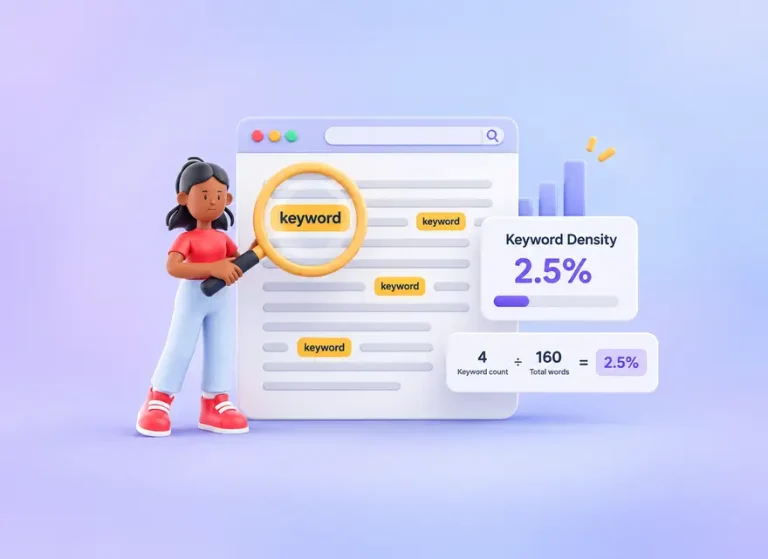
- Assuming a specific word count, keyword density, or update date guarantees rankings.
- Leaving important pages orphaned, blocked, duplicated, or difficult to render.
- Buying or exchanging links primarily to manipulate search results.
- Measuring rankings without evaluating clicks, conversions, and business value.
- Changing many variables at once without documenting what was tested.
How long does organic SEO take?
There is no universal timetable. A technically sound established site may see some changes after pages are recrawled and reprocessed, while a new or highly competitive site can take much longer. Crawl frequency, indexing, competition, content quality, link discovery, site history, and implementation speed all affect the outcome.
Use short cycles: diagnose a manageable group of pages, make evidence-based improvements, document the changes, and evaluate trends after enough data has accumulated. Sustainable SEO is a continuous process of improving usefulness and accessibility, not a one-time task.
Final takeaway
Organic SEO makes a website easier for people and search engines to understand. The strongest strategy combines technical foundations, search-intent research, genuinely helpful content, clear internal links, relevant promotion, and accurate measurement. Focus on qualified outcomes rather than promises of instant rankings.
Frequently Asked Questions
Quick answers to common questions about organic SEO
Organic SEO is the practice of improving a website so its pages can earn visibility in unpaid search results. It combines technical accessibility, useful content, search-intent alignment, internal links, reputable mentions, and measurement.
Organic clicks do not have a direct cost per click, but organic SEO is not cost-free. Research, writing, design, development, outreach, tools, and analysis require time or budget.
There is no fixed timetable. Results depend on crawl and indexing speed, site history, competition, content quality, technical implementation, links, and how quickly useful improvements are completed.
Paid search buys advertising placement while the campaign is funded. Organic SEO earns unpaid visibility by improving the site and its content over time; neither method guarantees a particular business result.
Use Search Console for impressions, clicks, CTR, queries, pages, and average position. Use analytics to evaluate landing-page engagement, conversions, revenue, lead quality, and retention.

Comments
Leave a Comment