


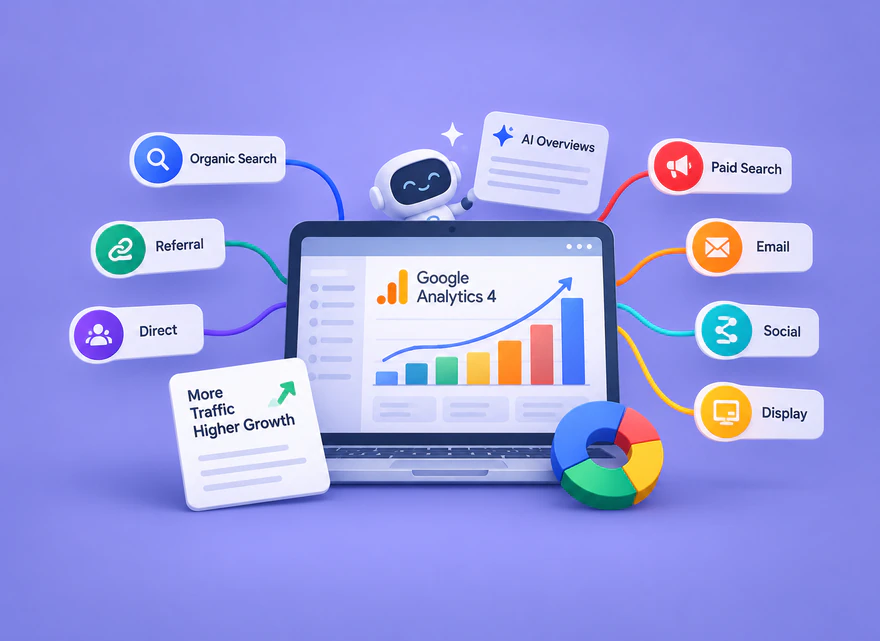
Learn the main types of website traffic and how GA4 classifies Organic, Direct, Referral, Paid, Social, Email, Display, Affiliate and Unassigned channels.
The main types of website traffic include Organic Search, Direct, Referral, paid advertising, social, and email. In Google Analytics 4, these familiar labels become rule-based channel groups. A channel describes attributed acquisition, not the visitor’s intent, identity, or value to your business.
Understanding that distinction helps you avoid misleading total-session comparisons. This guide explains the common channels, source and medium, acquisition scopes, and classification problems. It also covers newer or easily confused categories such as AI Assistant, Affiliates, Paid Other, and Unassigned. Use it to read your reports correctly before deciding which sources deserve attention; it is not a general traffic-growth checklist.
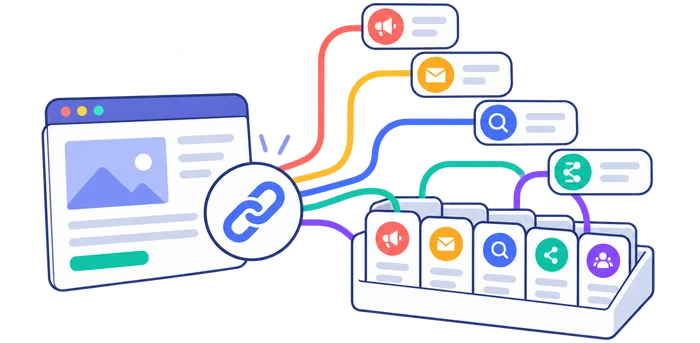
Source, Medium, and Channel Are Different
Source identifies the platform, website, or campaign source, such as google or a newsletter name. Medium describes the acquisition method, such as organic, cpc, referral, or email. Campaign identifies a particular promotion. The channel group combines information into broader reporting categories. These fields answer different questions; one platform can send both paid and unpaid visits.
Google’s manual-tagging and auto-tagging guide explains how integrations and destination-URL parameters populate acquisition data. In a manually tagged newsletter, for example, the source could be customer_newsletter, the medium email, and the campaign autumn_guide. Those are illustrative naming choices, not required names for every business.
| Dimension | Example | Question answered |
|---|---|---|
| Session source | Which platform or site is credited? | |
| Session medium | organic or cpc | What acquisition method is recorded? |
| Session campaign | autumn_guide | Which named promotion is credited? |
| Session default channel group | Paid Search | Which broad category applies? |
Also read the prefix. First user dimensions describe initial acquisition; Session dimensions describe acquisition assigned to sessions. Event-scoped attribution dimensions address credit for key events. A returning customer can therefore appear under different acquisition views without either report necessarily being wrong. Start with the question, then select the scope that can answer it.
For session-level review, Google’s Traffic acquisition report is a practical starting point. Select Session default channel group, then inspect Session source / medium and campaign where needed. Keep the date range and outcome definition consistent. A broad channel is a useful summary, but it can conceal several very different campaigns.
Avoid comparing new-user counts in one view with sessions in another as if they had the same denominator. One person can return several times, and each visit can contain several events. Write the unit beside any exported number. This simple habit prevents a channel with repeat visits from being mistaken for an equally large number of newly acquired people.
Organic Search and Direct Traffic
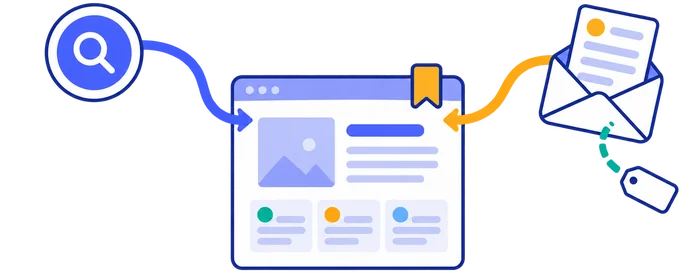
Organic Search concerns unpaid search acquisition; Direct indicates traffic without a clear referral source. Do not interpret either label as a quality score. A relevant search visitor can become a qualified customer, while another may be looking for an answer unrelated to your offer. Direct traffic can include both deliberate returns and lost attribution.
Organic Search: connect the landing page to the search task
Review the landing page and relevant query evidence together. Search Console helps explain Google Search exposure and clicks; GA4 helps assess recorded activity after arrival. They do not count the same thing, so their totals need not match. Avoid treating a GA4 channel row as a list of every organic keyword a visitor used.
That guide compares Google’s discovery routes rather than GA4 reporting categories. Here, ask whether the page resolved the visitor’s need and enabled an appropriate next action. An educational article and a product page should not be judged solely by the same immediate purchase target. Segment the purpose before comparing their performance.
For example, separate a shipping-information landing page from a product-category landing page before investigating weak sales. The first may be helping an existing customer; the second may be serving a prospective buyer. Add country or device only when it helps test a specific explanation, such as visits outside the delivery area or a form failing on mobile.
Direct: investigate the missing context
Typed URLs and bookmarks are possible explanations, but untagged emails, documents, apps, and redirects can also lose source information. Google’s Direct traffic guidance describes common causes. A rising Direct share is not proof of stronger brand recognition, and it is not proof of invalid traffic either.
Start with the timing. Did an email launch, document download, redirect change, or tracking update occur? Inspect links you control and confirm that their parameters survive the journey. Do not retag genuine unpaid search visits to make the report look cleaner. Historical attribution and prior interactions can also affect the source credited to a returning visit; the label alone cannot reconstruct the path.
Referral, Affiliate, and Partner Traffic
Referral traffic commonly comes through links on other websites, with usable referrer information. Not every external visit belongs here: recognized social, search, advertising, and AI-assistant sources can receive other classifications. Read the source and landing page together rather than assuming that every appearance of a domain represents the same audience.
For an editorial referral, inspect the linked context and visitor task. A product mention, troubleshooting answer, and general directory entry can send people with very different expectations. Check the actual page when you can. A domain name in an analytics report is not, by itself, proof of a published backlink, endorsement, or commercially valuable visitor.
Keep referral reporting separate from the broader definition of a visit. A returning reader may make several visits, and one visit may include several pageviews. Compare the referring context with the action you wanted, not just the largest count available.
Affiliates is an actual GA4 channel; partner is a business relationship, not a universal default-channel label. For genuine affiliate campaigns, a documented medium such as affiliate distinguishes them from ordinary referrals. A partner newsletter may instead belong under Email. Agree on the tagging before publication and preserve the real acquisition method.
AI-assisted discovery also needs care. Google’s Analytics release notes describe the AI Assistant channel for recognized assistant referrers, with medium ai-assistant. Do not classify all chatbot visits as ordinary Referral. Nor does a recorded source prove that a particular answer cited you. For implementation detail, use the AI traffic tracking guide.
Google’s AI Overviews and AI Mode are excluded from that assistant channel and are included in Organic Search under the current default definitions. This is a reporting distinction, not a claim that all AI-related discovery is identifiable. Check the actual source fields and coverage before describing an increase as traffic from a particular assistant.
Paid Search, Paid Social, Display, and Native Traffic
Paid Search reaches people through search advertising; Paid Social uses social advertising; Display concerns display placements. A campaign’s format, platform integration, and tagging determine how it is classified. Paying for distribution does not mean every visit will appear under Paid Search, even when the campaign is managed in Google Ads.
Native describes a placement designed to fit surrounding content, not a default GA4 channel called Native. Likewise, paid video, shopping, cross-network campaigns, and Paid Other can appear separately. Check the actual campaign and report fields rather than forcing unfamiliar activity into the nearest familiar name.
The paid-traffic guide addresses campaign selection and economics. For classification, preserve valid platform integrations and click identifiers when using auto-tagging. For manually tagged placements, record the genuine source, method, and campaign. Calling an unrelated provider google / cpc does not turn its visits into Google Ads traffic.
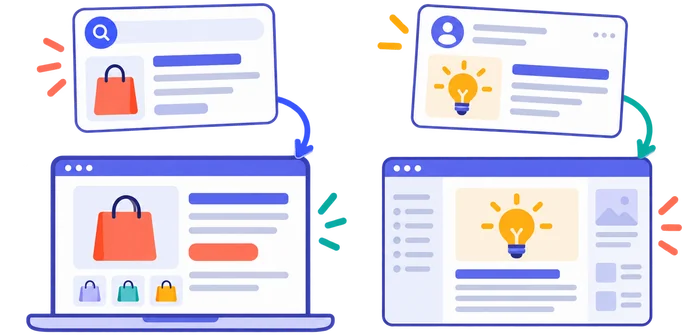
Each channel needs an appropriate destination. A specific search ad may suit a focused service page, while a discovery placement may need an explanation before a purchase request. Test the page and meaningful actions before increasing spend. Separate configured campaign activity from independently earned visits, qualified enquiries, and sales; a larger session count does not establish any of those outcomes.
Also keep the cost record aligned with the campaign being reviewed. A channel label does not supply every provider invoice or management expense. If costs are maintained outside GA4, reconcile the campaign name and dates before calculating a cost per qualified lead. Do not compare a fully costed campaign with another source whose production and distribution costs were omitted.

Organic Social and Email Traffic
Organic Social concerns unpaid social distribution, while Email identifies email-driven acquisition. Both can bring new people and returning readers. Their usefulness depends on audience expectations, the message, and the destination, not on the channel name alone. Keep paid social campaigns separate from ordinary post distribution.
For social traffic, distinguish a product demonstration from a broad awareness post. The same platform may send both. Private sharing can lose usable referral information, so platform clicks and recorded sessions need not match. Organic Video and Organic Shopping are also distinct categories; unpaid does not automatically mean Organic Search or Organic Social.
For email, distinguish newsletters, lifecycle messages, and product announcements with clear campaign names. An illustrative external link might use source customer_newsletter, medium email, campaign autumn_guide, and content header_link. Use the same convention across the team so later analysis can separate the message from its placement.
Apply campaign tags to acquisition links you control, not ordinary links between your own pages. Internal navigation needs its own interaction measurement, not a new external campaign identity. Test the destination and redirects before sending. Do not place names, email addresses, or other personal customer details in UTM values.
Finally, compare delivery context with results. An email click is not a confirmed subscriber preference or sale; repeated sends can create visits without stronger demand. Evaluate useful actions and customer feedback, including unsubscribes where relevant, rather than celebrating sessions while ignoring the relationship that produced them.
Keep source names stable enough to answer recurring questions. If one team uses customer_newsletter and another invents a new source for every send, comparison becomes unnecessary cleanup. Put the specific send in the campaign field and the link position in content. Maintain a record of the final approved URL so a colleague can reproduce the measurement check later.
Why Traffic Becomes Unassigned
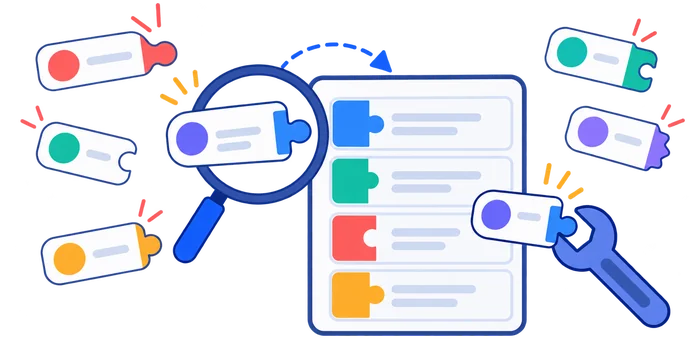
Unassigned means no default channel rule matched the available event data. It differs from Direct, from a missing dimension value such as (not set), and from the aggregated (other) row. Google’s current channel definitions explain these distinctions. Default rules are case-insensitive: capitalization alone is not a general explanation for Unassigned.
Inspect Session source / medium and campaign for affected rows. A custom medium such as newsletter_launch may describe an activity to your team but fail to identify Email to the default rules. Use meaningful campaign names for the promotion and a documented medium for the acquisition method. Do not invent a channel value merely to hide a reporting gap.
Follow the full link path. Confirm the outgoing URL, redirects, final landing URL, and data collected after arrival. Missing fields, unsupported values, or integration problems require different fixes. Test a corrected link before rollout, then review processed reporting rather than assuming an immediate screen change proves success.
Lowercase naming remains a useful team convention, but separate naming consistency from channel-rule matching. Keep a small approved dictionary with an owner and examples. If a legitimate business category needs a separate view, Google’s custom channel groups provide a reporting option; they do not reveal missing information or change Google’s default definitions.
Validate a repair against the original question. If an email medium was wrong, the useful check is whether newly measured test traffic carries the intended email source and campaign. A reduction in Unassigned alone is insufficient: the visits could simply have moved into another incorrect bucket. Preserve a dated note of the old and corrected conventions for future comparisons.

Measure Traffic Quality, Not Just Volume
Traffic type describes attributed acquisition; traffic quality describes whether visits serve a real purpose. Compare channels with a consistent business outcome, then account for different landing-page tasks. Use engaged sessions as context, not proof that every visitor was a prospect. A triggered key event is only as useful as its definition and implementation.
For lead generation, distinguish successful form submissions from button clicks and qualified leads from spam. For ecommerce, include refunds, margin, and repeat purchases where available. For publishing, a useful subscription or return visit may matter more than raw scroll counts. Keep the denominator clear: session key-event rate is not the same as a count of all event occurrences.
| Goal | Useful evidence | Quality warning |
|---|---|---|
| Lead generation | Qualified leads; cost per qualified lead | Form spam or poor sales acceptance |
| Ecommerce | Margin, acquisition cost, repeat purchases | Refunds or unsustainable discounts |
| Content | Relevant engagement, subscriptions, returns | Activity without useful consumption |
| Awareness | Appropriate reach; response evidence | Exposure mistaken for incremental demand |
Investigate abrupt shifts before reallocating budget. A payment processor appearing as a referrer may reflect checkout measurement rather than new customer acquisition; Google’s unwanted-referral guidance explains this case. Fix the underlying journey carefully instead of excluding every disappointing source.
Consent, collection gaps, automated activity, and cross-domain errors can affect comparisons. Analytics labels do not independently verify human intent. Similarly, GA4 cannot directly reconstruct search-result hopping: discuss pogo sticking as a separate diagnostic question, not a ranking score inferred from engagement.
A Simple Attribution Example
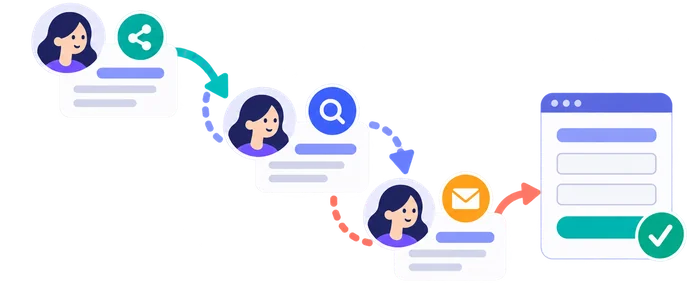
Consider a hypothetical reader who discovers a guide through an unpaid social post, returns later through an unpaid search result, then follows a tagged email to submit an enquiry. Assume the visits are measurable and recognized as the same user. This illustrates acquisition scopes; it is not a case study or a predicted conversion path.
The First user view describes initial social discovery. Session acquisition describes the source credited to each visit. Key-event attribution evaluates credit under the applicable model and available path. A channel credited with the final session is therefore not automatically the only channel that contributed.
Now change one detail: the email link loses its tags and provides no useful referrer. You no longer have the same evidence about the final visit. Prior attribution can also influence returning traffic, so do not confidently reconstruct the missing email from a Direct row. Document the gap, repair the external link, and judge future observations with the corrected setup.
Google’s traffic-source scope guide explains why user, session, and event dimensions answer different questions. Device changes, consent, and identity limitations can fragment a real journey. Do not assign invented percentages of credit or assume that one analytics record captures every interaction.
Use this example to frame three separate reporting questions: which channel introduced measurable new readers, which channels brought sessions to the enquiry page, and which interactions received credit for the enquiry? The answers may differ. Reporting them side by side is more honest than declaring one universal winning source from whichever view happens to look strongest.
Build a Reliable Channel View
Start each review with one decision: which source needs investigation, which landing page needs improvement, or whether a measured campaign warrants more investment. Specify the dates, acquisition scope, relevant source / medium, and useful action. Keep tracking changes beside the results so a reporting correction is not mistaken for new demand.
For market context, competitor organic-traffic estimates can suggest topics to investigate. They do not reveal another website’s verified sessions or customers, and they should not be added to your own measured channel totals.
Maintain an approved channel dictionary, test new campaign links, and review unfamiliar rows rather than silently renaming them. Record hypotheses separately from verified findings. If the source is known but results are weak, investigate the audience and destination; if attribution is missing, repair measurement before drawing commercial conclusions.
The practical takeaway is simple: acquisition classification, visitor quality, and attribution credit are related but separate views. Use them together, with their limits visible. More sessions in a desirable-looking channel are not automatically more customers, better SEO, or a reason to increase spending.
Frequently Asked Questions
Quick answers to common questions about types of website traffic
User acquisition describes how users were first acquired, while Traffic acquisition describes the source and channel of individual sessions.
Not always. Direct means GA4 lacks usable referral or campaign information. It can also include untagged links, apps, documents, or lost referrer data.
Compare engaged sessions, qualified leads, key-event rate, revenue, cost, retention, refunds, and customer quality instead of judging sessions alone.
Common GA4 channels include Organic Search, Direct, Referral, Paid Search, Paid Social, Organic Social, Email, Display, Affiliates, and AI Assistant. Other categories include Shopping, Video, Cross-network, and Paid Other; Unassigned is a classification fallback, not an acquisition strategy.
Source identifies the specific platform or site, medium describes the acquisition method, and a channel group applies rules that place traffic into a broader category.
Unassigned means the available data matches no default channel rule. Inspect source, medium, campaign, and integrations. It is different from Direct and the aggregated (other) row; capitalization alone does not break the case-insensitive default rules.
Document the actual source and acquisition method. Use a consistent medium such as affiliate for genuine affiliate campaigns; a partner email can instead use email. Keep campaign names organized and assess qualified outcomes separately.
A recognized user can return for multiple visits and view several pages during each visit. These metrics describe different levels of activity, so do not add them together or treat every session or page view as another distinct person.


Comments
Leave a Comment