


Safe Traffic Acquisition: Avoiding Bots and Adsense Penalties
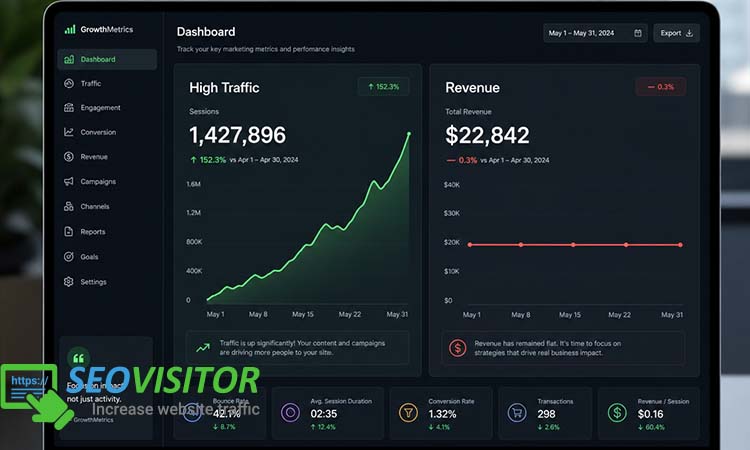
Every website owner wants more traffic, but high visitor numbers alone do not guarantee success. A sudden spike in visits can look impressive at first, especially if your website depends on advertising revenue, affiliate marketing, or product sales. However, if that traffic comes from bots, click farms, fake sources, or low-quality networks, it can quickly become a serious problem.
This is particularly important for websites that use Google AdSense. Unsafe traffic can generate invalid clicks, suspicious impressions, and abnormal user behavior, which may result in warnings, revenue deductions, temporary suspension, or even permanent termination. In other words, buying traffic without ensuring its quality can actually harm the revenue you are trying to grow.
That is where Safe Traffic Acquisition becomes essential. Instead of blindly aiming to buy website traffic, this approach focuses on attracting real users, monitoring traffic quality, avoiding suspicious sources, and staying compliant with advertising policies. In this guide, you will learn what safe website traffic means, how to identify fake visitors, how to reduce the risk of bot traffic, and how to build a sustainable traffic strategy that supports long-term growth.
Understanding Website Traffic Safety
Before you buy traffic, run paid campaigns, or invest heavily in content marketing, you need to understand what makes traffic safe or unsafe. Many website owners make the mistake of judging traffic only by volume. They assume that more visitors automatically means better performance, higher revenue, and stronger SEO results. In reality, traffic quality matters far more than raw numbers.
Defining Safe Website Traffic
Safe website traffic refers to visitors who are genuine human users and arrive from legitimate sources. These users are usually interested in your topic, service, product, or content. They may read your pages, click internal links, spend time on your site, return later, or complete meaningful actions such as signing up, contacting you, or purchasing something.
Why Quality Traffic Is More Valuable Than High Traffic Numbers
A smaller number of high-quality visitors is often more valuable than thousands of fake or uninterested visits. Real visitors can engage with your content, subscribe to your newsletter, click on relevant pages, explore your services, or convert into customers. Fake traffic, on the other hand, only inflates your numbers without adding real business value.
Common Risks of Unsafe Traffic
Unsafe traffic can harm your website in several ways. Bots can manipulate analytics, generate fake ad impressions, or trigger invalid clicks. AdSense policies strictly prohibit these activities, and violating them can lead to account suspension or termination. Unsafe traffic also distorts analytics, making it difficult to make informed decisions about content, campaigns, or audience targeting.
read more:Guide to Launching a Traffic Campaign
Identifying Bots and Fraudulent Traffic
Once you understand safe vs. unsafe traffic, the next step is learning how to detect suspicious patterns. Many website owners only notice traffic problems after receiving an AdSense warning or observing unusual changes in analytics. Monitoring traffic regularly and identifying issues early is essential.
How to Detect Fake Visitors
Monitor your analytics to identify suspicious activity. High bounce rates combined with short session durations may indicate bot traffic. Repeated visits from the same IP or unusual geolocations are other warning signs. Tools such as Google Analytics, ClickCease, and Botify can help you detect and filter these visitors.
Red Flags That Indicate Unsafe Traffic
1.Sudden spikes from unknown traffic sources
2.Extremely low engagement metrics, such as zero clicks or minimal scrolling
3.Traffic from unexpected countries or geographies outside your target audience
Tools That Help Identify Bot Traffic
Using analytics and bot protection tools is critical. Google Analytics allows tracking of session duration, pages per session, and user behavior. Cloudflare can block suspicious bots and provide website protection. Click fraud detection services monitor unusual clicks and repeated IP activity. Together, these tools help maintain a high-quality traffic flow.
Safe Traffic Acquisition Methods
Attracting safe traffic requires a balance between organic methods, social channels, email marketing, and carefully managed paid campaigns. The goal is to generate real visitors who engage meaningfully with your content.
SEO-Focused Content Creation
SEO content attracts visitors who are searching for your topic. Targeting keywords like “buy safe website traffic”, “Adsense safe traffic”, or “how to detect bot traffic” ensures your audience finds you organically. High-quality SEO content builds trust and improves long-term engagement.
Social Media Traffic from Relevant Audiences
Share content with audiences that are genuinely interested in your niche. Avoid spammy promotion or automated traffic groups. Properly targeted social media campaigns drive relevant visitors who are likely to engage and convert.
Email Marketing and Returning Visitors
Email lists generate safe traffic from users who already trust your brand. Sending newsletters, updates, or exclusive content keeps visitors returning, boosting engagement metrics and conversions.
Paid Traffic from Trusted Platforms
Paid campaigns can be safe when run on platforms like Google Ads, Meta Ads, or LinkedIn Ads with proper targeting. Focus on specific keywords, relevant audiences, and transparent reporting. Monitor engagement and adjust campaigns to maintain quality traffic.
Monitoring and Maintaining Traffic Quality
Acquiring safe traffic is just the start. Continuous monitoring ensures long-term safety and prevents AdSense penalties.
Tracking Visitor Behavior
Analyze session duration, scroll depth, pages per session, and returning visitors to ensure traffic quality. Real users engage meaningfully with content and internal links.
Regular Traffic Audits
Audit your traffic periodically to identify unusual patterns, spikes, or suspicious referral sources. Filter bot traffic and adjust campaigns as needed to maintain high-quality visitor flow.
Common Mistakes to Avoid
Even with proper methods, mistakes can reduce traffic effectiveness and increase risks.
Buying Cheap Traffic Without Verifying Sources
Cheap, bulk traffic often contains bots or uninterested users. Always check traffic providers for transparency and targeting.
Ignoring Geographic and Audience Targeting
Traffic from irrelevant locations may not engage or convert. Use geo-targeting to reach your ideal audience.
Overlooking AdSense Policies
Non-compliance with AdSense rules can result in account suspension. Avoid traffic sources that encourage artificial clicks or violate Google policies.
Failing to Monitor After Purchase
Always monitor bought traffic to ensure quality. Unchecked campaigns can generate suspicious activity even from previously trusted sources.
Conclusion: Build Traffic That Supports Long-Term Growth
Safe Traffic Acquisition is crucial for sustainable growth. By focusing on real, high-quality visitors, monitoring traffic patterns, avoiding unsafe sources, and complying with AdSense policies, you ensure long-term success. Use the knowledge from this guide to audit current traffic, implement safe acquisition methods, and guide users to your Buy Website Traffic landing page for verified solutions.
Frequently Asked Questions
How can I buy safe website traffic without penalties?
Choose reputable providers, verify traffic sources, and monitor user engagement to avoid invalid clicks or low-quality visits.
What tools can help detect bot traffic?
Google Analytics, Cloudflare, ClickCease, and server logs help identify suspicious traffic patterns.
Can an AdSense account get banned because of purchased traffic?
Yes, accounts can be penalized if traffic violates policies. Using trusted traffic providers reduces risk.
What is the difference between fake traffic and low-quality traffic?
Fake traffic comes from bots, whereas low-quality traffic comes from uninterested human users.
How often should I audit my website traffic?
At least monthly, and more frequently when running paid campaigns or buying traffic.
Is organic traffic always safer than paid traffic?
Organic traffic is generally safer, but paid traffic can be safe when properly targeted, verified, and monitored.

Lasted Comments (0)