


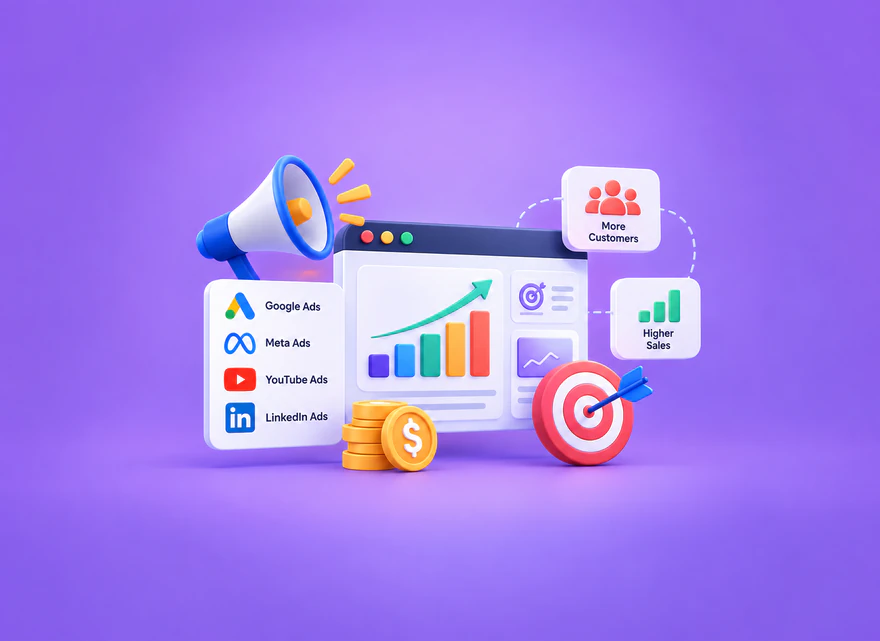
A practical guide to using Paid Search, Paid Social, Display, Native and referral traffic with better targeting, UTMs, attribution, fraud checks, CPA, CAC and ROAS.
Paid traffic can put an offer in front of a defined audience quickly, but buying clicks is not a strategy by itself. A useful campaign connects the right channel, audience, message, landing page, measurement plan, and business target.
This guide explains when to use Paid Search, Paid Social, Display, Native, and sponsored or referral placements. It also covers UTM tagging, attribution, bot and fraud checks, budget tests, CPA, CAC, ROAS, and conversion quality. Paid traffic can create demand or capture it; it does not directly improve organic rankings.
When Paid Traffic Is the Right Choice
Use paid acquisition when you need controlled reach, faster feedback, or access to an audience you cannot reach reliably through owned channels. It is useful for a product launch, limited promotion, demand validation, retargeting, geographic expansion, and lead generation when the economics are measurable.
Do not launch simply because traffic is low. First define the action that makes a visit valuable: a qualified lead, purchase, trial, subscription, or another key event. Confirm that the landing page works on mobile, the offer is credible, and tracking is tested before budget is exposed.

Choose the Channel by Intent and Creative Fit
Channel choice should follow the audience’s current intent. First understand the types of website traffic and GA4 channels you need to separate in reporting. Search ads reach people expressing a need. Social and display can create awareness or re-engage previous visitors. Native and sponsored placements work best when the content feels useful in the publisher’s context without disguising that it is promotional.
Start with one or two channels that match your resources. Running every platform at once makes it difficult to learn which audience, message, or landing page caused the result.
| Channel | Best fit | Main risk |
|---|---|---|
| Paid Search | Existing demand and high-intent queries | Expensive clicks or weak keyword control |
| Paid Social | Audience discovery, creative testing, retargeting | Low intent or creative fatigue |
| Display | Reach and remarketing | Viewability, accidental clicks, fraud |
| Native | Educational offers and content discovery | Expectation mismatch |
| Sponsored or referral | Relevant publisher and partner audiences | Unknown placement quality |
Use Paid Search to Capture Demand
Paid Search is strongest when the query shows a clear problem or buying intent. Group keywords by intent, write ads that accurately describe the offer, and send each group to the most relevant landing page. Add negative keywords to block unrelated searches and review actual search terms regularly.
Do not evaluate search campaigns on click-through rate alone. Compare qualified conversion rate, cost per acquisition, profit contribution, and the queries that produced them. A cheap click can be expensive when it never becomes a customer.
Use Paid Social, Display, Native, and Sponsored Traffic Carefully
Paid Social supports interest-based prospecting, lookalike audiences, video views, lead forms, and retargeting. Test creative concepts before making narrow optimizations. Display campaigns need placement, frequency, viewability, and invalid-traffic controls because broad inventory can generate impressions without attention.
Native and sponsored placements should set honest expectations. The headline, creative, publisher context, and landing page must describe the same value. Referral arrangements should document the traffic source, targeting, reporting, and acceptable quality thresholds.

Match the Landing Page to the Ad Promise
A strong landing page confirms relevance immediately. Repeat the core promise in the headline, answer the main objection, show evidence, explain the next step, and make the primary action easy to complete. Remove distractions that compete with the campaign goal, but keep essential navigation and trust information when users need it.
Measure performance by message-to-page combination. If an ad has good engagement but poor conversions, the problem may be page speed, mobile layout, price, form friction, audience mismatch, or an exaggerated promise—not the traffic channel itself. Use the pogo sticking diagnostic framework to investigate search-intent and landing-page mismatch without claiming a ranking signal.

Use UTMs and Attribution Consistently
Tag manually managed links with consistent utm_source, utm_medium, and utm_campaign values. Add utm_content when you need to distinguish creatives and utm_term when it serves a defined purpose. Use lowercase naming and a shared convention so the same channel is not split across many labels.
Link advertising platforms to GA4 where appropriate and preserve auto-tagging parameters. In GA4, compare Session source/medium and Session default channel group for visit-level analysis. Attribution reports can distribute credit differently, so document the model used when stakeholders compare results.

Detect Bots, Fraud, and Low-Quality Placements
Suspicious traffic may show extreme click volume without key events, impossible geography, repeated identical behavior, very short visits, data-center networks, or placements that cannot be verified. No single signal proves fraud, so combine platform reports, analytics, server data, and downstream lead quality.
Use platform invalid-traffic controls, placement exclusions, frequency limits, bot filtering where appropriate, and conversion validation. Track form spam, duplicate leads, disconnected phone numbers, chargebacks, and sales acceptance. A campaign can look efficient in the ad dashboard while creating no business value.
Test Budgets With CPA, CAC, and ROAS Guardrails
Begin with a learning budget large enough to generate meaningful conversion data but small enough to limit downside. Define the test duration, minimum sample, success threshold, and stop condition before launch. Change one major variable at a time when possible.
CPA measures the advertising cost per desired action. CAC should include the broader cost of acquiring a customer, depending on your accounting definition. ROAS divides attributed revenue by ad spend, but revenue is not profit. Add margin, refunds, retention, and lifetime value when deciding whether to scale.
| Metric | Simple calculation | Limitation |
|---|---|---|
| CPA | Ad spend ÷ conversions | Conversion may not equal a customer |
| CAC | Acquisition costs ÷ new customers | Cost definition must be consistent |
| ROAS | Attributed revenue ÷ ad spend | Ignores margin and some overhead |
| Qualified lead rate | Qualified leads ÷ total leads | Requires sales feedback |
Compare Paid and Organic Traffic Fairly
Paid traffic is controllable and immediate but usually declines when spending stops. Organic search can compound over time but requires useful content, technical access, and patience. The channels can support the same business without causing each other’s rankings.
Use paid campaigns to test messages, audiences, and landing pages. Use organic content to answer durable search needs. Keep reporting separate enough to understand cost and attribution, then evaluate how the complete customer journey works across channels.
Make Paid Traffic a Business Decision
A good campaign begins with a measurable outcome, selects a channel that fits audience intent, keeps the ad and landing page aligned, and validates both attribution and conversion quality. Scale only after results remain sound beyond the advertising dashboard.
Paid traffic is valuable when it creates incremental qualified outcomes at sustainable economics. It is not a shortcut to organic rankings, and more visits alone are not proof of success.
Frequently Asked Questions
Quick answers to common questions about use paid traffic for business
Paid traffic is website or landing-page traffic acquired through advertising, sponsored placements, referral campaigns, or other media for which the advertiser pays.
Choose the channel that matches audience intent and creative resources. Paid Search suits active demand, while Paid Social, Display, and Native often support discovery or retargeting.
Paid campaigns can create awareness and business outcomes, but buying visits or ads does not directly improve organic Google rankings.
CPA is ad spend per action, CAC is acquisition cost per new customer under a defined cost model, and ROAS is attributed revenue divided by ad spend.
Compare analytics, server data, placements, geography, key events, lead validity, duplicate behavior, chargebacks, and sales feedback. No single metric proves fraud.
Consistent UTMs identify source, medium, campaign, and creative so GA4 can classify manually tagged traffic and teams can compare campaign performance.

Comments
Leave a Comment