


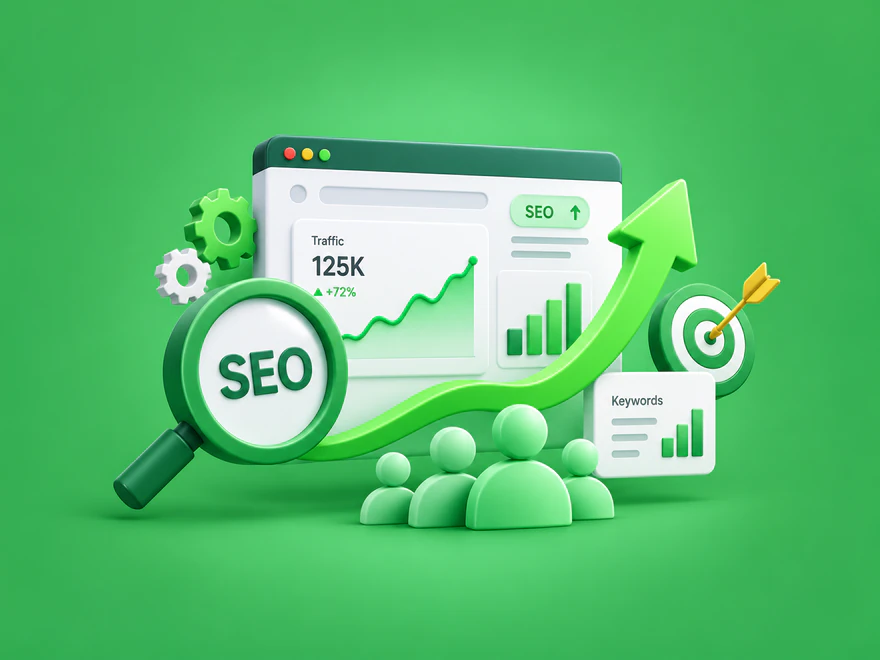
Improve SEO and increase website traffic with a practical plan for content, keywords, internal links, page experience, promotion, and accurate measurement.
Improving SEO and increasing website traffic are connected, but not in the way many older guides suggest. A high visit count does not automatically push a page to the top of Google. Instead, better SEO helps search engines discover and understand useful pages, which can increase relevant organic traffic. Promotion can then expose those pages to more people, creating additional business opportunities.
This guide presents a practical process for improving technical access, content, internal links, page experience, promotion, and measurement. The objective is qualified traffic that supports leads, sales, subscriptions, or another defined outcome, not a temporary increase in raw sessions.
How SEO and website traffic affect each other
SEO is the work of improving a site’s presence in unpaid search results. It includes crawlability, indexing, content relevance, page structure, links, technical quality, and user experience. When these elements improve, a page may earn more impressions and clicks for suitable queries.
Traffic itself is an acquisition metric. It can come from organic search, paid search, referrals, social networks, email, direct visits, affiliates, or display campaigns. Google does not promise higher organic rankings because a page receives more visits or because a business buys advertising.
The relationship is therefore best understood as a cycle: research reveals audience needs, SEO helps the right page appear, qualified visitors interact with the page, measurement identifies weaknesses, and the next improvement makes the experience more useful.
What is qualified website traffic?
Qualified traffic consists of visitors whose intent, location, device, and expectations match the page and offer. A person looking for a definition needs a clear explanation; a person comparing services needs evidence and decision criteria; a person ready to buy needs price, trust, availability, and a simple checkout or contact path.
A smaller qualified audience can create more value than a large irrelevant one. Evaluate visits with engagement, key events, conversion rate, revenue, lead quality, retention, and acquisition cost. Select metrics that reflect the actual purpose of the page.

Send search-focused visitors to your best landing pages and measure the engagement and conversions that matter.
Measure SEO and traffic before making changes
A reliable baseline prevents teams from confusing normal variation with improvement. Install and verify analytics, define the actions that matter, and record performance before editing important pages.
Use Google Search Console
Search Console reports Google Search impressions, clicks, CTR, queries, pages, countries, devices, and average position. It also helps inspect indexing, sitemaps, Core Web Vitals, manual actions, and security issues. Use it to understand visibility before a user reaches the site.
Use Google Analytics 4
GA4 reports acquisition and onsite behavior. Review session source and medium, channel groups, campaigns, landing pages, engagement, key events, conversions, and revenue. Use consistent UTM parameters for campaigns and exclude internal or known invalid traffic where possible.
Connect metrics to one business outcome
Choose a primary conversion such as a purchase, qualified form, booked call, signup, or download. Test that the event fires once and carries the correct value. Add guardrail metrics so a rise in traffic does not hide weaker conversion rate, lead quality, or profit.
How to improve SEO and increase organic traffic
Work through these priorities in order, beginning with access and intent before investing in promotion or cosmetic optimization.
1. Fix crawlability and indexing
Important pages need a successful status code, an indexable directive, a suitable canonical URL, and a path through normal HTML links. Review XML sitemaps, redirects, robots rules, duplicates, and orphan pages. Use URL Inspection to confirm how Google sees a priority URL.
2. Match each page to search intent
Study the current results and the questions behind a query. Determine whether users expect a guide, definition, comparison, category, service, calculator, or product. Do not force an informational keyword onto a sales page or create several pages that compete for the same intent.
3. Choose keywords by value, not volume alone
Estimate demand, but also evaluate relevance, competition, conversion potential, and the site’s ability to provide a strong answer. Long-tail keywords often express a specific need and can be valuable even when their individual volume is small. Group close variants naturally rather than repeating exact phrases.
4. Create helpful, reliable content
Answer the main question early. Use accurate examples, clear steps, limitations, and evidence. Remove unsupported claims and filler. Include first-hand expertise when the topic requires it, identify the author or business appropriately, and keep changing information current.
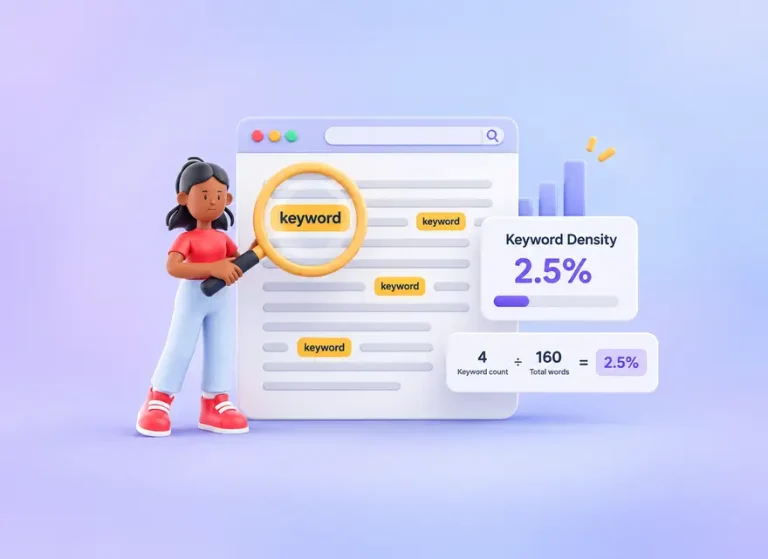
Google’s guidance emphasizes people-first content. There is no guaranteed word count, keyword density, or single optimization that produces a first-place ranking. Completeness should be judged by whether the page helps the intended reader finish the task.
5. Improve titles, headings, and snippets
Write a unique title that describes the page in familiar language. Use the post title as the H1, organize major sections under H2 headings, and place supporting topics under H3 headings. Write a concise meta description that sets a clear expectation, while remembering that Google may generate a different snippet from the page.
6. Build useful internal links
Link to important pages from relevant articles, categories, and navigation. Use descriptive anchor text instead of vague phrases such as “click here.” Internal links help readers continue their journey and help search engines discover pages and understand site relationships.
7. Improve mobile and page experience
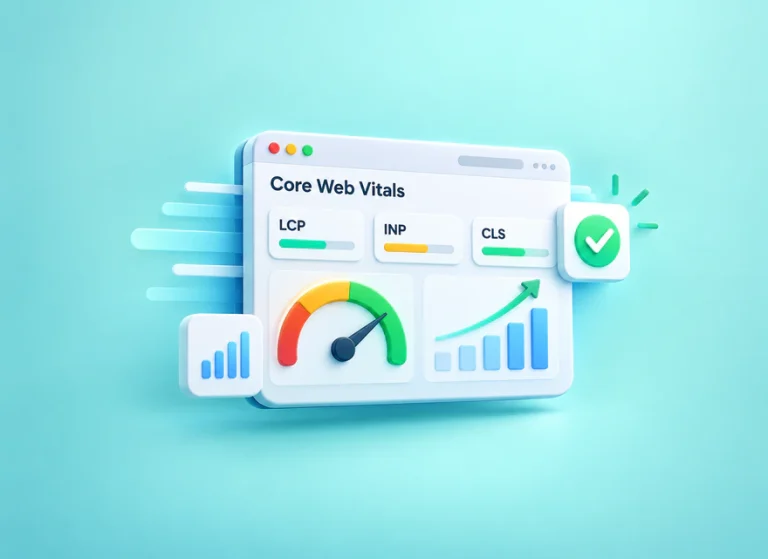
Test important templates on real mobile devices. Make the primary content easy to identify, avoid intrusive overlays, use readable text, protect layout stability, and keep controls easy to tap. Compress images, reduce unnecessary scripts, cache suitable resources, and monitor Core Web Vitals without treating one metric as the entire experience.
8. Earn relevant links and mentions
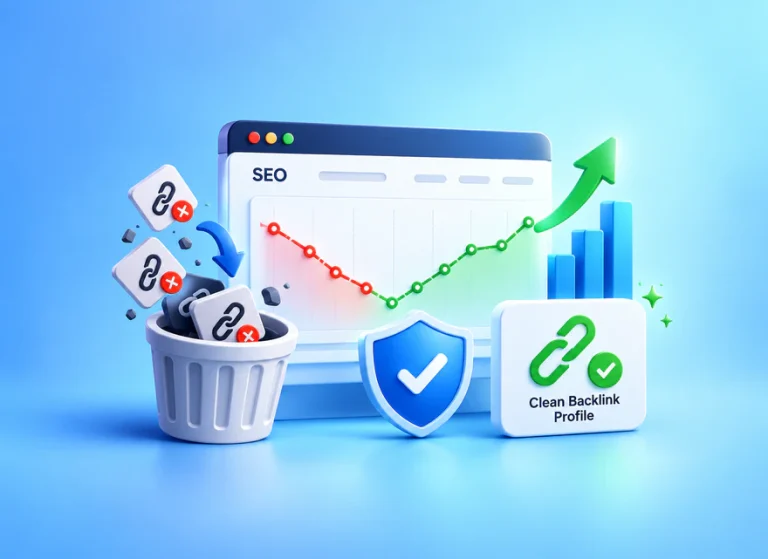
Useful tools, original research, expert resources, templates, and clear tutorials give other publishers a legitimate reason to reference a page. Partnerships, digital PR, podcasts, associations, and guest contributions can also introduce relevant audiences. Avoid automated or paid link schemes intended to manipulate rankings.
9. Refresh and consolidate old content
Review pages that have declining clicks, outdated facts, broken links, weak introductions, or overlapping topics. Update the substance, combine near-duplicates, redirect retired URLs when appropriate, and add stronger internal links. Changing only the date does not improve usefulness.
Traffic channels that support an SEO strategy
SEO does not need to operate alone. Relevant distribution can reach the audience sooner and reduce dependence on a single acquisition source.
Paid search
Paid search can create immediate visibility for selected queries and provide fast feedback about messaging, demand, and landing pages. Keep paid and organic reporting separate. Advertising participation does not improve organic rankings, but the business insight from a well-designed campaign can inform future pages.
Referral traffic and digital PR
Relevant websites, newsletters, directories, and partners can send qualified visitors. Editorial links may also help discovery and demonstrate context, but their purpose and quality matter. Measure referred sessions, engagement, conversions, and lead quality rather than counting backlinks alone.
Social media
Social networks can distribute research, examples, demonstrations, and visual summaries. Match the landing page to the post’s promise, tag campaign links, and adapt the creative to each network. Community participation should answer the user’s question before asking for a visit.
Email marketing
Email can turn existing attention into repeat visits and customer retention. Segment by interest, write a useful subject and promise, and send subscribers to the most relevant resource. Respect consent, avoid misleading urgency, and provide preference or unsubscribe controls.
Video, webinars, and visual resources
Video tutorials, webinars, charts, and infographics can reach audiences who prefer visual learning. Publish a supporting page with a transcript, summary, resources, and next step. One strong research effort can then support search, social, email, sales, and partner distribution.
Commercial offers and tripwire products
A low-risk introductory offer can help visitors experience a product before considering a larger purchase. The offer should solve a real problem, state all conditions clearly, and lead naturally to the core service. Measure customer value and refunds, not only the initial conversion rate.
Common mistakes when trying to improve SEO with traffic
- Assuming that more visits automatically cause better rankings.
- Buying irrelevant or invalid traffic and treating sessions as success.
- Targeting high-volume keywords that do not match the offer.
- Publishing thin pages for every keyword variation.
- Ignoring indexing, mobile usability, or broken conversion tracking.
- Sending every campaign to the homepage.
- Using manipulative link schemes or unsupported guarantees.
- Measuring clicks without conversion, revenue, retention, or lead quality.
- Changing many elements at once without recording the test.
A practical 8-week improvement plan
Apply the strategy to a limited set of valuable pages, document every change, and review the result before expanding the program.
Weeks 1-2: establish the baseline
Verify Search Console and GA4, test key events, review indexing, and export current performance by query, page, device, and channel. Choose a small set of valuable pages and record their traffic, conversions, and technical condition.
Weeks 3-4: improve the pages
Align each page with intent, strengthen the introduction, replace unsupported claims, improve headings and metadata, add contextual internal links, and fix mobile or speed problems that obstruct the main task.
Weeks 5-6: distribute and earn discovery
Promote the improved resources through relevant email segments, social posts, partners, communities, and controlled paid tests. Link to them from established pages and update navigation or category hubs when that improves discovery.
Weeks 7-8: evaluate and iterate
Compare suitable periods and investigate changes in impressions, clicks, qualified sessions, conversions, and revenue. Segment by query, device, landing page, and source. Scale improvements that produce valuable outcomes and revise campaigns that add traffic without quality.
Final takeaway
The durable way to improve SEO and increase website traffic is to create a page that deserves discovery, make it technically accessible, connect it through useful links, promote it to a relevant audience, and measure the complete journey. Treat traffic as an opportunity to serve and convert the right visitor, not as a ranking shortcut.
Frequently Asked Questions
Quick answers to common questions about improve SEO by increasing traffic
Traffic volume alone does not guarantee better rankings. SEO improvements can produce more relevant search traffic, while promotion may indirectly help useful content earn awareness, links, and returning visitors.
Begin with indexing and crawlability, then review search intent, content quality, titles, internal links, mobile usability, page experience, and measurement. Prioritize pages that already have impressions or clear business value.
Use Google Search Console for search impressions, clicks, queries, pages, CTR, and average position. Use GA4 for source and medium, landing pages, engagement, key events, conversions, and revenue after the click.
A controlled traffic campaign can provide analytics and usability data when targeting and tracking are clear, but purchased visits do not guarantee organic ranking gains. Judge the test by engagement, conversions, and lead quality.
Review important pages when facts, products, search intent, competitor coverage, or performance changes. Make substantive improvements and document them; changing only the date is not a meaningful update.

Comments
Leave a Comment