



Learn how to plan marketing events and advertising campaigns that drive measurable website traffic. This guide covers webinars, giveaways, offline events, landing pages, UTM tracking, GA4, follow-up, and campaign ROI.
Marketing events and advertising campaigns can do much more than create short-term attention. When they are planned around a clear audience, a useful offer, a dedicated landing page, and reliable tracking, they can become repeatable sources of website traffic, leads, registrations, sales, and brand awareness.
The key is measurement. A webinar with 500 registrations, a trade-show booth with 1,000 visitors, or a social campaign with 50,000 impressions does not automatically mean the campaign was successful. You need to know how many people reached the website, which channel sent them, what they did after arriving, and whether the campaign produced the outcome you wanted.
This guide explains how to use webinars, events, contests, email, social media, partnerships, and paid campaigns to drive measurable website traffic in 2026. It also covers landing pages, UTM tracking, GA4 measurement, follow-up, content repurposing, and the mistakes that can make campaign traffic look impressive without producing real business value.
What Are Marketing Events and Advertising Campaigns?
Marketing events are planned experiences designed to attract, educate, engage, or convert a specific audience. They can be online or offline and may include webinars, live streams, conferences, workshops, product launches, trade shows, and community events.
Advertising campaigns are coordinated promotional activities built around a goal, audience, message, offer, budget, timeline, and set of distribution channels.
Both can be used to:
- Introduce a brand to new audiences.
- Promote a product, service, offer, or piece of content.
- Generate website visits.
- Collect leads or registrations.
- Drive sales or bookings.
- Reconnect with existing customers.
- Collect feedback.
- Create reusable content for future campaigns.
The strongest campaigns are built around a measurable objective rather than a vague goal such as “get more traffic.”
How Events and Campaigns Can Drive Website Traffic
An event or campaign creates traffic when it gives the audience a clear reason to visit a specific page.
That reason may be:
- Registering for an event.
- Downloading a guide.
- Watching a replay.
- Claiming a discount.
- Entering a contest.
- Viewing a product.
- Reading supporting content.
- Booking a consultation.
- Joining a newsletter.
The visitor journey should be intentional:
Campaign Message → Landing Page → Useful Action → Follow-Up → Business Outcome
If the campaign sends everyone to a generic homepage with no clear next step, much of the traffic can be wasted.
1. Webinars, Live Streams, Podcasts, and Virtual Events
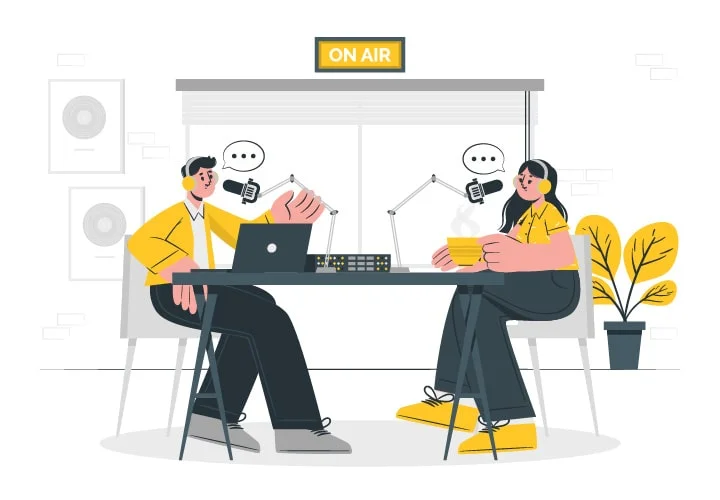
Educational events can attract highly relevant visitors because the audience chooses to spend time learning about a specific topic.
The goal is not simply to produce a webinar or podcast. Build a complete traffic path around the event.
Create a dedicated event page
Your registration or event page should clearly explain:
- The topic.
- Who the event is for.
- What participants will learn.
- Date and time.
- Speakers or hosts.
- Registration requirements.
- The primary call to action.
Promote before the event
Use the channels where your audience is already active:
- Email.
- Social media.
- Partner newsletters.
- Relevant communities.
- Paid promotion when appropriate.
- Internal links from related website content.
Use reminders
Registrations do not guarantee attendance. Send useful reminders before the event and make the date, time, access link, and benefit clear.
Create a post-event traffic strategy
After the live event, turn the recording into additional assets:
- A replay page.
- A summary article.
- Short video clips.
- Quotes or social posts.
- A downloadable checklist.
- An email follow-up sequence.
This extends the useful life of the campaign instead of allowing the event to disappear after one day.
2. Contests, Giveaways, Discounts, and Promotions
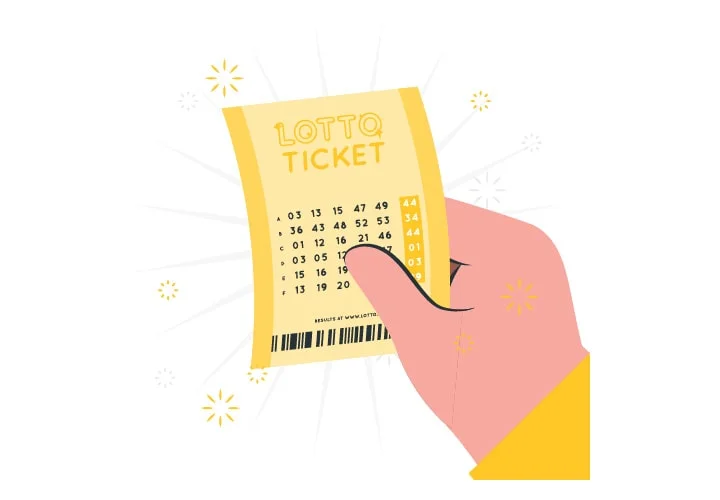
Contests, giveaways, discounts, and limited-time promotions can create attention quickly, but the audience and reward must match the business.
If the prize attracts people who would never care about your product or service, the campaign may generate a large visitor number without creating a useful audience.
Define the campaign goal
- Generate new leads.
- Increase sales.
- Grow an email list.
- Introduce a new product.
- Reactivate existing customers.
- Increase awareness in a specific market.
Choose a relevant incentive
The reward should appeal to the audience you actually want. A product, service credit, upgrade, consultation, or related bundle can often attract a more useful audience than a generic prize unrelated to the business.
Publish clear terms
- Start and end dates.
- Eligibility.
- How to enter.
- How winners are selected.
- How prizes or discounts are delivered.
- Any geographic restrictions.
Measure more than entries
Track landing-page visits, registrations, email signups, product views, purchases, and follow-up behavior. The number of contest entries alone does not tell you whether the promotion created business value.
3. Conferences, Trade Shows, Seminars, and Workshops
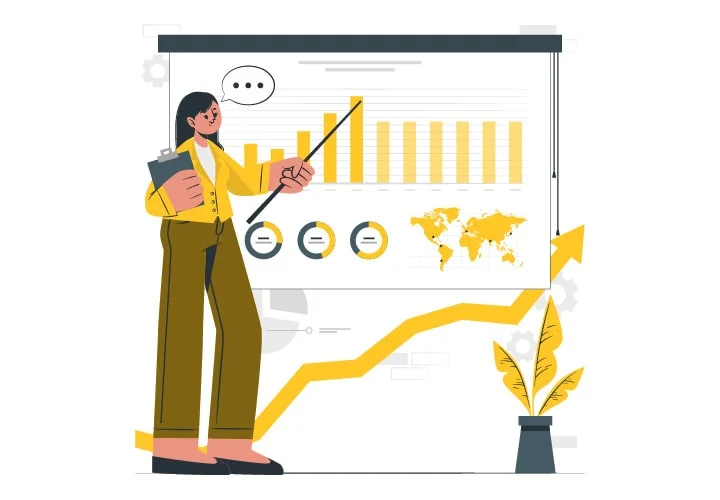
Offline events can create online traffic when the transition from the physical event to the website is planned in advance.
A visitor who sees your booth, attends a workshop, or receives a brochure should have an obvious digital next step.
Use a campaign-specific landing page
Instead of printing only your homepage URL, direct event visitors to a page designed for that audience.
- Event-specific resources.
- Slides or downloads.
- A special offer.
- A booking form.
- A product demo.
- An email signup.
Use QR codes with trackable URLs
QR codes can connect posters, booth materials, badges, handouts, or presentation slides directly to the campaign landing page.
Use a properly tagged destination URL so the traffic can be separated from other sources in analytics.
Follow up after the event
- Thank-you emails.
- Presentation materials.
- Meeting links.
- Relevant case studies.
- Product information.
- A recording or event recap.
4. Email, Social Media, and Content Campaigns
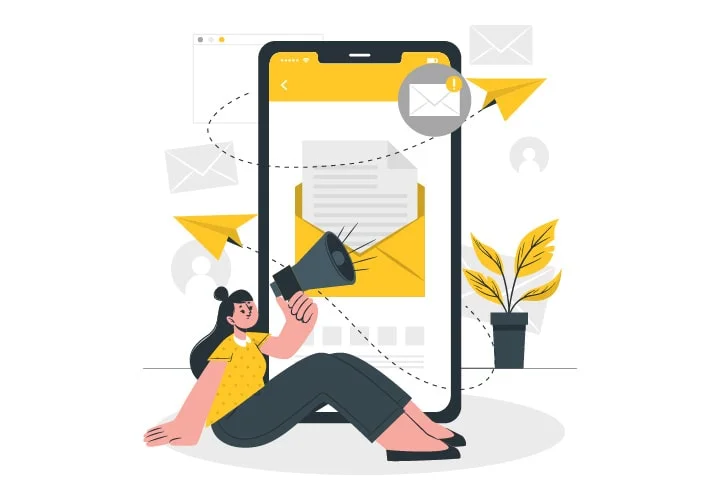
Email, social media, blog content, and other distribution channels can work together to send people to a campaign landing page.
Email campaigns
Segment the audience when possible. Existing customers, leads, inactive subscribers, and new prospects may need different messages and calls to action.
Social media campaigns
Adapt the message to the platform instead of copying the same post everywhere.
- Short videos.
- Carousels.
- Discussion posts.
- Polls.
- Short educational clips.
- Event reminders.
- Behind-the-scenes content.
Content marketing
Helpful articles can support a campaign before, during, and after launch. They can answer questions, explain problems, compare options, or provide additional education around the offer.
5. Partnerships and Co-Marketing Campaigns
Partnerships can expand campaign reach without requiring each brand to build a new audience from zero.
- Joint webinars.
- Co-authored research.
- Newsletter exchanges.
- Partner bundles.
- Industry reports.
- Affiliate or referral arrangements.
- Community collaborations.
The partnership should make sense for both audiences. A large partner with an unrelated audience may send less useful traffic than a smaller partner with strong topical relevance.
How to Build a Campaign That Actually Drives Traffic
The following workflow can be used for online events, offline events, promotions, product launches, and broader advertising campaigns.
1. Define the campaign goal
Choose one primary outcome, such as landing-page visits, registrations, qualified leads, purchases, newsletter subscriptions, or revenue.
2. Define your target audience
- Location.
- Industry.
- Role or customer type.
- Problem or need.
- Existing relationship with the brand.
- Stage in the buying journey.
3. Create the offer and message
- Why should this audience care?
- What will they receive?
- What should they do next?
4. Build a dedicated landing page
- A clear headline.
- The primary benefit.
- Relevant proof or details.
- One obvious primary CTA.
- Mobile-friendly design.
- Only the information needed for the decision.
5. Choose the right promotion channels
- Organic search.
- Email.
- Social media.
- Referral partnerships.
- Paid search.
- Paid social.
- Display advertising.
- Industry publications.
- Offline media.
6. Add UTM tracking and conversion measurement
Google Analytics supports campaign parameters such as utm_source, utm_medium, utm_campaign, utm_content, and utm_term.
For example:
https://example.com/event/?utm_source=newsletter&utm_medium=email&utm_campaign=summer_webinar&utm_content=header_cta
Use a consistent naming convention. Campaign values are case-sensitive, so inconsistent capitalization can fragment reporting.
7. Launch and monitor the campaign
- Landing-page sessions.
- Source / medium.
- Campaign name.
- Engagement.
- Registrations or leads.
- Purchases or revenue.
- Cost.
8. Follow up after the event or promotion
- Thank-you messages.
- Replay links.
- Relevant educational content.
- Product recommendations.
- Lead-nurture emails.
- Meeting invitations.
9. Repurpose the campaign content
- A long-form article.
- A transcript.
- Short social videos.
- An FAQ.
- An infographic.
- A newsletter.
- A downloadable resource.
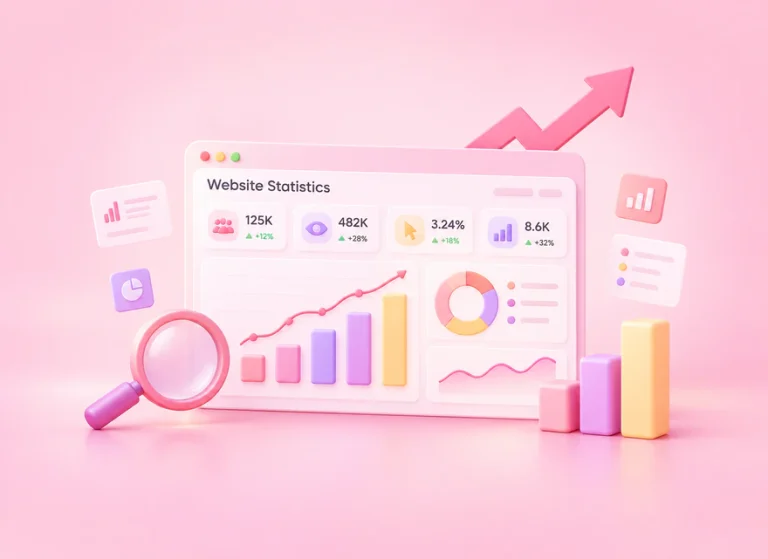
How to Measure Campaign Traffic in GA4
Google Analytics 4 can help connect campaigns with on-site behavior when tracking is configured correctly.
- Traffic Acquisition: Compare session source, medium, and campaign.
- Landing Page: See which pages visitors first entered.
- Events and Key Events: Measure actions that matter to the business.
- Revenue: Evaluate ecommerce or monetization outcomes where applicable.
A useful measurement funnel is:
Impressions → Clicks → Landing-Page Visits → Engaged Visits → Key Event → Lead/Sale → Revenue
Important Campaign Metrics
| Metric | What It Helps Measure |
|---|---|
| Sessions / Users | Traffic volume generated by the campaign |
| CTR | How often an ad, email, or promotion produces a click |
| Engagement Rate | How frequently sessions meet GA4 engagement criteria |
| Key Events | Important actions such as leads, registrations, or purchases |
| Key Event Rate | How efficiently campaign traffic produces meaningful actions |
| Cost per Lead | How much campaign spend is required to generate a lead |
| Cost per Acquisition | How much it costs to acquire a customer or other defined outcome |
| Revenue | Sales attributable to the campaign where tracking supports it |
| ROAS / ROI | Financial return relative to advertising or campaign investment |
Use A/B Testing When the Campaign Has Enough Traffic
If a campaign generates enough visitors, test meaningful differences rather than relying only on opinions.
- Headline variations.
- CTA wording.
- Landing-page layouts.
- Email subject lines.
- Creative concepts.
- Offer positioning.
Common Campaign Mistakes
1. Optimizing only for traffic volume
A campaign that produces thousands of irrelevant sessions can perform worse than a smaller campaign that produces qualified leads or customers.
2. Sending every campaign to the homepage
A specific offer usually performs better when the destination continues the message and intent of the campaign.
3. Launching without tracking
If UTM parameters, key events, ecommerce tracking, or lead tracking are missing, it may be impossible to determine which campaign actually worked.
4. Using inconsistent UTM naming
Values such as Facebook, facebook, and FB can fragment reports. Create a simple naming standard before launching multiple campaigns.
5. Choosing a prize unrelated to the audience
A giveaway may generate large numbers of entries from people who have no long-term interest in the business.
6. Ignoring follow-up
Registrations and first visits often happen before a purchase decision. Useful follow-up can turn campaign attention into longer-term value.
7. Assuming paid traffic directly improves Google rankings
Paid or purchased website traffic should be evaluated as a separate acquisition and testing channel. It should not be presented as a guaranteed method for manipulating Google’s organic ranking systems.
Website Traffic Campaign Checklist
- Define one primary campaign objective.
- Identify the audience you want to reach.
- Create an offer that matches that audience.
- Build a dedicated campaign landing page.
- Create a clear CTA.
- Choose promotion channels based on audience relevance.
- Create a consistent UTM naming structure.
- Set up GA4 and important key events before launch.
- Test campaign URLs and forms.
- Use trackable QR codes for offline campaigns.
- Monitor traffic source, campaign, landing page, and engagement.
- Measure leads, sales, registrations, or another meaningful outcome.
- Compare cost with the value generated.
- Follow up with participants or leads.
- Repurpose useful campaign content.
- Document the results and lessons for the next campaign.

Conclusion
Events and advertising campaigns can become effective sources of website traffic when they are designed as complete journeys rather than isolated promotions.
Start with a clear objective and audience. Create an offer and message that match that audience, send people to a dedicated landing page, tag campaign links consistently, and measure what happens after the click.
For online events, continue the campaign with recordings and repurposed content. For offline events, connect physical materials to trackable landing pages and QR codes. For email, social, partnerships, and paid campaigns, compare not only traffic but also engagement, key events, leads, sales, and financial return.
The goal is not to create the biggest spike in your traffic report. It is to build campaigns that bring the right visitors to the right page and produce measurable value for the business.
Frequently Asked Questions
Quick answers to common questions about marketing campaigns to drive website traffic
Events can direct participants to registration pages, event resources, product pages, booking forms, replays, and follow-up content. The strongest results come when the event has a clear digital destination and campaign tracking.
Use a dedicated landing page and a trackable URL, often delivered through a QR code. Add consistent UTM parameters so campaign traffic can be identified in Google Analytics.
At minimum, use consistent values for utm_source, utm_medium, and utm_campaign. utm_content can distinguish creatives or links, while utm_term can be useful for keyword-level tracking in relevant campaigns.
Usually, a dedicated landing page is better when the campaign promotes a specific event, offer, product, or action.
Compare the audience and source with the campaign goal, then review engagement, key events, leads, sales, revenue, and other relevant outcomes. High traffic volume alone does not prove quality.
Yes, but the prize and audience must be relevant. Generic high-value prizes can attract people interested only in the reward, while a business-related incentive may attract a smaller but more useful audience.
More campaign traffic does not automatically produce higher organic Google rankings. Campaigns can still support brand awareness, audience growth, content discovery, and other marketing outcomes.
Measure the metric that matches the original objective. This might be registrations, qualified leads, purchases, revenue, cost per acquisition, email subscriptions, booked calls, or another meaningful action—not simply sessions.


Comments
Leave a Comment