


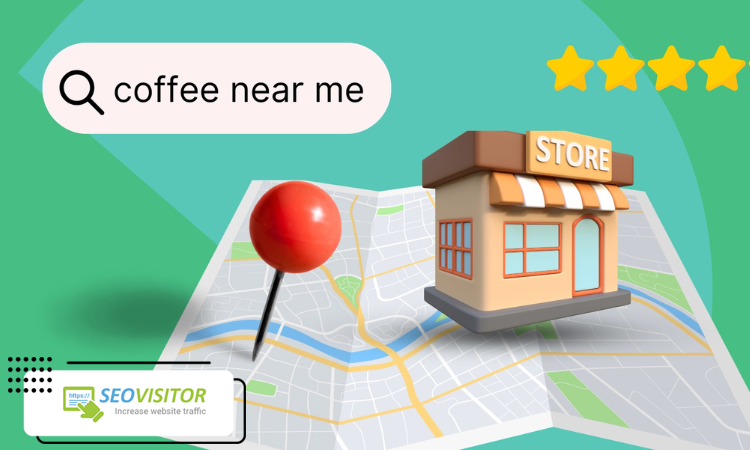
How to Improve Your Local SEO?
Local SEO is an essential aspect of any digital marketing strategy, especially for businesses that rely on attracting local customers. Whether you’re a small business owner, a restaurant, or a service provider, optimizing your website for local search results can significantly impact your visibility and customer acquisition. In this article, we’ll explore practical and effective strategies for improving your local SEO and driving more traffic to your website. We’ll also discuss how platforms like Seovisitor can help boost your local SEO by offering strategies to you need Buy USA Website Traffic ? just click
1. Optimize Your Google My Business Profile
One of the most critical steps in improving your local SEO is setting up and optimizing your Google My Business (GMB) profile. Google My Business is a free tool that allows businesses to manage their online presence across Google, including search and maps.
Here are the steps to optimize your Google My Business profile:
- Claim Your Listing: Ensure that you claim your business listing on Google My Business if you haven’t already done so.
- Accurate Business Information: Fill in all relevant details, such as your business name, address, phone number, website URL, and business hours. Make sure the information is accurate and consistent across all platforms.
- Add Photos: Upload high-quality images of your business, products, and services. Businesses with photos receive 42% more requests for directions and 35% more click-throughs to their websites.
- Collect Reviews: Customer reviews are a vital ranking factor in local SEO. Encourage satisfied customers to leave positive reviews and respond to all reviews to show engagement.
- Use Posts: Google My Business allows you to post updates, promotions, events, and offers. Use this feature to keep your audience engaged and informed.
By optimizing your Google My Business profile, you increase your chances of appearing in the “Local Pack” (the map results that appear at the top of local search results) and gaining visibility for location-based queries.
Related articles : What Exactly Is Technical SEO?
Related articles : What Exactly Is Technical SEO?
2. Use Local Keywords in Your Content
Keyword optimization is a foundational element of SEO, and for local SEO, using location-based keywords is crucial. Local keywords help search engines understand where your business operates and who your target audience is.
Here’s how you can integrate local keywords into your SEO strategy:
- Include Location in Titles and Headers: Make sure to use your city, neighborhood, or region in your page titles and headings. For example, if you run a bakery in Los Angeles, use titles like “Best Bakery in Los Angeles” or “Los Angeles Bakery with Fresh Pastries.”
- Create Location-Specific Content: Write blog posts or service pages that target local events, news, or topics relevant to your area. This will make your content more valuable to local searchers and improve your chances of ranking for location-specific searches.
- Use Structured Data Markup: Implement Local Business Schema Markup on your website. This structured data helps search engines better understand your business information and display it more accurately in search results.
By using local keywords, your website will become more relevant to local searchers, improving your chances of ranking higher for location-based queries.
3. Optimize for Mobile
Mobile optimization is no longer optional – it’s a necessity, especially for local SEO. Most local searches happen on mobile devices, with users searching for nearby businesses, restaurants, or services while on the go.
To improve your local SEO with mobile optimization:
- Mobile-Friendly Website Design: Ensure that your website is responsive, meaning it adapts to various screen sizes. Google gives priority to mobile-friendly websites in its search results.
- Fast Page Load Speed: Mobile users expect quick loading times. Slow-loading pages can cause high bounce rates and negatively impact your rankings. Use tools like Google PageSpeed Insights to test and optimize your website’s speed.
- Click-to-Call Buttons: Make it easy for mobile users to contact you by adding click-to-call buttons on your site. This feature is particularly important for service-based businesses.
By optimizing your site for mobile users, you’ll improve your local SEO and provide a better user experience for your potential customers.
4. Build Local Citations
Local citations are mentions of your business on other websites, such as local directories, review sites, and business listings. Consistent and accurate citations across the web can improve your local SEO rankings and help potential customers find you.
Here’s how you can build local citations:
- Submit to Local Directories: Submit your business to local business directories like Yelp, Yellow Pages, and BBB. These directories often rank well in search results, so getting listed can improve your visibility.
- Ensure NAP Consistency: NAP stands for Name, Address, and Phone number. It’s essential to ensure that your NAP information is consistent across all platforms, including your website, Google My Business profile, and local directories.
- Leverage Industry-Specific Listings: In addition to general business directories, submit your business to industry-specific listings. For example, if you own a restaurant, get listed on food review sites like Zomato, TripAdvisor, or Yelp.
The more accurate and consistent your citations are, the better your chances of ranking higher in local search results.
5. Get Local Backlinks
Backlinks from local websites and blogs can significantly boost your local SEO efforts. When a local website links to your site, it signals to search engines that your business is relevant and trustworthy within your local area.
Here’s how to build local backlinks:
- Sponsor Local Events or Charities: If your business sponsors a local event or charity, ask for a backlink on their website. These backlinks often come from authoritative local websites.
- Collaborate with Local Bloggers: Reach out to local bloggers or influencers and ask them to review your products or services. In exchange, they may provide a backlink to your site.
- Get Listed on Local Resource Pages: Many local organizations or chambers of commerce have resource pages that link to local businesses. Ensure your business is listed on these pages.
High-quality local backlinks can boost your domain authority and improve your local SEO rankings.
6. Create Location-Specific Landing Pages
If you have multiple locations or serve several areas, creating location-specific landing pages is a great way to target local customers. These pages allow you to tailor content to each area, including location-based keywords, reviews, and customer testimonials.
Each location-specific landing page should include:
- Local Keywords: Use the name of the city or region in your page titles, headers, and content.
- Location-Specific Information: Include details about the local area, such as landmarks, popular attractions, or community events.
- Customer Testimonials: Highlight testimonials from local customers to build trust and relevance.
Creating location-specific landing pages ensures that each of your target areas has its own optimized page, improving your visibility for local searches in different regions.
7. Engage with Social Media
Social media engagement plays a crucial role in local SEO. Google’s ranking algorithm considers signals from social media when determining local rankings, especially when users engage with your brand.
Here’s how you can leverage social media for local SEO:
- Share Local Content: Share content related to your local area, such as news, events, or local collaborations. This helps you connect with your community and encourages engagement.
- Tag Your Location: Always tag your business location in your social media posts. This makes it easier for local users to discover your business.
- Encourage Social Sharing: The more people share your content, the more visibility it gets. Encourage your followers to share posts, especially those related to local events or promotions.
Being active on social media and engaging with your local community can help enhance your local SEO efforts.
8. Track and Measure Your Local SEO Performance
To know if your local SEO efforts are paying off, you need to track your performance. Regularly monitor your rankings for local search terms, traffic from local visitors, and the effectiveness of your Google My Business profile.
Use tools like:
- Google Analytics: Track the performance of your website and monitor how much traffic you’re getting from local searches.
- Google Search Console: Check which keywords are driving traffic to your website and assess your overall SEO health.
- SEMrush or Ahrefs: These tools allow you to track local rankings and analyze your competitors’ local SEO efforts.
By regularly tracking and measuring your local SEO performance, you can adjust your strategy and improve results over time.
Conclusion: Mastering Local SEO for Success
Improving your local SEO is essential for gaining visibility in your community and attracting nearby customers. By optimizing your Google My Business profile, using local keywords, enhancing your mobile experience, building citations and backlinks, and engaging with social media, you can improve your website’s ranking in local search results.
Additionally, platforms like Seovisitor can help you enhance your local SEO by driving targeted traffic, whether you want to buy USA web traffic, buy organic traffic, or buy website traffic. By implementing these strategies and focusing on what makes your business unique, you’ll be well on your way to mastering local SEO and achieving long-term success.
With Seovisitor offering effective services like buy USA web traffic, buy USA traffic, buy website traffic , and buy organic traffic, you can further boost your SEO efforts and ensure that your business stands out in local search results.
Lasted Comments (0)