


Organic vs Paid Traffic Strategy| How to Balance Traffic for Sustainable Growth
Many website owners fall into a common trap: relying entirely on a single traffic source to grow their business. Some put all their focus on SEO, expecting organic rankings to consistently bring in visitors. Others depend heavily on paid campaigns, hoping quick results will translate into long-term success.
The reality is that both approaches, when used alone, come with serious limitations. SEO is powerful, but it takes time to build authority, rank pages, and generate consistent traffic. On the other hand, paid traffic can deliver immediate results, but it can quickly become unsustainable if not managed strategically.
This is where a balanced approach becomes essential. By combining organic and paid traffic in a smart, data-driven way, you can create a more stable, scalable, and sustainable growth strategy for your website.
What Is Organic vs Paid Traffic?
What Is Organic Traffic?
Organic traffic refers to visitors who land on your website through unpaid search engine results, mainly from platforms like Google. These users typically find your site by searching for specific keywords related to your content, products, or services.
This type of traffic is driven by SEO efforts, including high-quality content creation, on-page optimization (such as titles, meta descriptions, and internal linking), and off-page factors like backlinks and domain authority.
One of the biggest advantages of organic traffic is its long-term value. Once your pages start ranking well, they can continuously bring in visitors without requiring direct payment for each click. However, achieving this position takes time, consistency, and a well-planned strategy. It often requires months of effort before you see significant results.
Another key benefit is trust. Users tend to trust organic search results more than ads, which can lead to higher engagement and better conversion rates in the long run. That said, relying only on organic traffic can slow down your growth, especially for new websites that have not yet built authority.
What Is Paid Traffic?
Paid traffic refers to visitors who come to your website through paid campaigns and promotional channels. This includes search engine ads, display advertising, and social media campaigns that are designed to drive targeted users to your site.
The main advantage of paid traffic is speed. Unlike SEO, which takes time to build momentum, paid campaigns can generate visitors almost instantly after launch. This makes it an ideal solution for promoting new pages, testing offers, or boosting visibility in a short period.
Paid traffic also allows for precise targeting. You can define your audience based on location, interests, behavior, and even specific search intent. This level of control helps you attract more relevant visitors compared to relying solely on organic reach.
However, paid traffic requires ongoing investment and careful optimization. Without a clear strategy, it can become expensive and fail to deliver meaningful results. The quality of traffic, landing page experience, and user behavior all play a critical role in determining success.
When used correctly, paid traffic is not just about getting more visitors—it’s about accelerating growth, validating strategies, and supporting your overall SEO efforts.
Why You Should Never Rely on Just One Traffic Source
Relying solely on a single traffic source can put your website’s growth at serious risk. For example, organic traffic depends heavily on Google’s algorithm, which is constantly changing and can be unpredictable. A small update can significantly impact your rankings, causing a sudden drop in visitors.
On the other hand, relying only on paid traffic is equally risky. If advertising campaigns are paused or budgets run out, your traffic can decline almost instantly, leaving your website with minimal visitors and no way to maintain momentum.
Consider a scenario: a new e-commerce site launches with only paid ads. The campaign drives thousands of visitors initially, but once the ad budget ends, traffic drops to near zero. Without a strong organic foundation, the site struggles to recover, and the business suffers.
This is why developing a comprehensive organic vs paid traffic strategy is essential. By balancing these two sources, you can protect your website from sudden fluctuations, maintain consistent growth, and ensure that both short-term and long-term traffic goals are met.
A balanced approach not only stabilizes your traffic but also creates opportunities for paid campaigns to reinforce organic performance, making your growth strategy more sustainable and effective.
The Ideal Balance Between Organic and Paid Traffic
Finding the right mix of organic and paid traffic is key to building a sustainable growth strategy. While there is no one-size-fits-all formula, a dynamic approach can help you maximize results at each stage of your website’s development.
- Launch Phase: 70% paid / 30% organic
During the initial stages, paid traffic can quickly bring visitors to your new website, generate early engagement, and provide data on what content resonates with your audience. Organic traffic will gradually start to grow as your SEO efforts take effect. - Growth Phase: 50% paid / 50% organic
As your site gains authority and starts ranking in search engines, organic traffic should steadily increase. Paid campaigns can now be more targeted, complementing organic efforts to ensure consistent visitor flow and improved conversion rates. - Maturity Phase: 70% organic / 30% paid
Once your SEO strategy matures and your site earns strong organic rankings, the reliance on paid traffic can decrease. Paid campaigns are then used strategically, such as for promoting new content, testing offers, or accelerating growth in specific markets.
It’s important to remember that these ratios are dynamic, not fixed. Market trends, seasonal changes, and campaign performance can all influence the ideal balance. A flexible organic vs paid traffic strategy ensures your website adapts effectively to shifting conditions, maintaining both growth and stability.
How Paid Traffic Can Support Your SEO Strategy
Paid traffic is not just a short-term solution—it can play a crucial role in boosting your organic vs paid traffic strategy when used strategically. By complementing your SEO efforts, paid campaigns can accelerate growth and provide valuable data to refine your overall website strategy.
Accelerate Traffic to New Pages
Launching new content or product pages can take time to rank organically. Paid traffic allows you to drive immediate visitors to these pages, helping search engines recognize their relevance and value. Early engagement can also generate signals that improve future organic rankings.
Improve Behavioral Signals
User behavior metrics, such as click-through rate (CTR), time on site, and pages per session, are important indicators for search engines. Paid campaigns can help enhance these behavioral signals by directing targeted users to your site, increasing engagement, and indirectly supporting SEO performance.
Test Landing Pages and Offers
Paid traffic provides an excellent opportunity to test different landing pages, headlines, and offers. By analyzing the performance of each variation, you can identify what resonates most with your audience and apply these insights to your organic content strategy.
By incorporating targeted traffic campaigns into your overall growth plan, you create a feedback loop where paid traffic strengthens SEO, and SEO, in turn, reduces your reliance on paid campaigns over time. This makes your organic vs paid traffic strategy more efficient, sustainable, and data-driven.
Signs Your Traffic Strategy Is Out of Balance
Even the best marketing efforts can falter if your organic vs paid traffic strategy isn’t properly balanced. Here are some clear signs that your traffic sources may be misaligned:
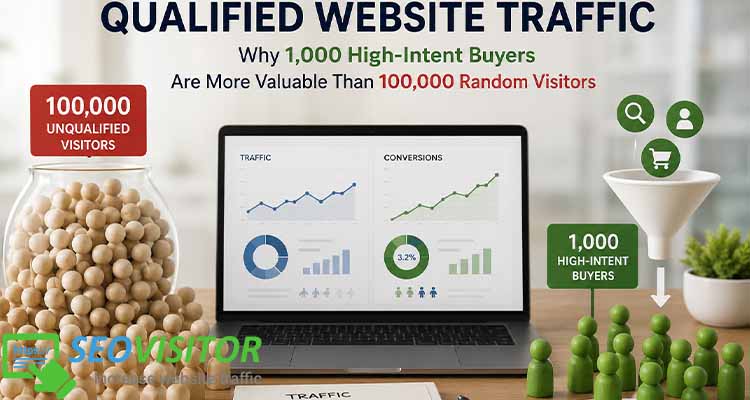
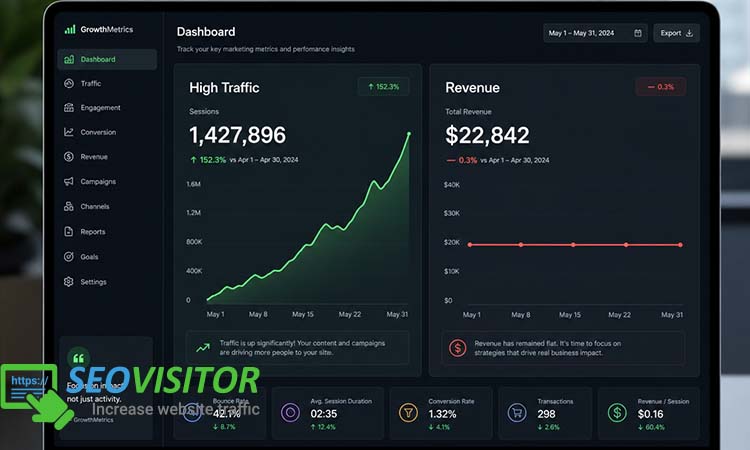
You Have Traffic but No Conversions
High visitor numbers don’t always translate into business results. If your site is attracting clicks but users aren’t taking action—like signing up, purchasing, or downloading content—it could indicate that your traffic is poorly targeted or that landing pages need optimization.
You’re Completely Dependent on Google
Relying solely on organic traffic from search engines is risky. Algorithm updates, ranking fluctuations, or seasonal changes can suddenly reduce your visitor numbers. Without diversified traffic sources, your website is vulnerable to sudden drops in engagement and revenue.
Growth Has Plateaued
If your site’s traffic growth has stalled despite ongoing SEO efforts, it’s a strong indication that organic efforts alone are not enough. Paid traffic, when used strategically, can inject new visitors, test content performance, and complement your organic growth for sustained results.
Recognizing these warning signs is crucial. A smart organic vs paid traffic strategy balances different sources, mitigates risk, and ensures continuous, scalable growth—helping your website maintain momentum even when one channel underperforms.
Step-by-Step Plan to Balance Your Traffic Sources
Creating a successful organic vs paid traffic strategy requires a structured approach. Here’s a step-by-step plan to help you balance your traffic sources for sustainable growth:
Step 1: Analyze Current Traffic (Google Analytics)
Begin by reviewing your website’s performance in Google Analytics. Identify which traffic sources—organic or paid—are driving the most visitors and which pages perform best in terms of engagement, conversions, and time on site. This data provides a foundation for all your future traffic decisions.
Step 2: Identify Gaps
Look for areas where your traffic is underperforming. Are certain pages receiving little organic traffic? Are paid campaigns not generating meaningful engagement? Identifying these gaps helps you determine where to focus your efforts and allocate resources efficiently.
Step 3: Boost Weak Pages with Targeted Traffic
Once you know which pages need support, you can use targeted traffic campaigns to drive visitors to underperforming sections of your site. This not only improves immediate engagement but can also help these pages gain signals that enhance their organic ranking over time.
Subtle CTA opportunity: Consider using services that provide controlled, high-quality visitors to strengthen your pages’ performance without relying solely on organic reach.
Step 4: Optimize Based on User Behavior
Finally, monitor user behavior and adjust your strategy accordingly. Analyze metrics such as click-through rates, time on page, and conversion paths. Use these insights to refine both your organic content and paid campaigns, creating a feedback loop that maximizes ROI for every traffic source.
By following this step-by-step plan, you can implement a balanced traffic strategy that ensures your website grows consistently, mitigates risk, and leverages both organic and paid traffic effectively.
Final Thoughts
Achieving sustainable growth for your website requires more than just focusing on one traffic source. A successful organic vs paid traffic strategy combines the long-term benefits of SEO with the immediate impact of paid campaigns. By leveraging both effectively, you can create a steady flow of visitors, improve engagement metrics, and maximize conversions over time.
Organic traffic builds credibility and lasting authority, while targeted paid traffic can accelerate growth, test new pages, and support underperforming content. When these two approaches work together, your website becomes resilient against algorithm changes, budget fluctuations, and seasonal trends.
Consider incorporating targeted traffic campaigns as part of your overall strategy. By doing so, you can enhance your organic efforts, accelerate growth, and ensure that your website reaches its full potential without over-reliance on a single traffic source.
Frequently asked questions about organic vs paid traffic strategy
Does Paid Traffic Help SEO?
Yes. While paid traffic does not directly affect search engine rankings, it can indirectly support SEO by improving user behavior metrics such as engagement, click-through rates, and time on site. Incorporating paid traffic into your organic vs paid traffic strategy can strengthen your website’s overall performance.
What Is the Best Ratio Between Organic and Paid Traffic?
The ideal ratio depends on your website’s stage of growth. New sites may rely more on paid campaigns initially, while established sites can lean more on organic traffic. In any case, a balanced mix is essential for long-term sustainable growth.
Can You Rely Solely on SEO for Growth?
It is possible, but growth will likely be slow and less predictable. A comprehensive organic vs paid traffic strategy helps mitigate risk and accelerates results compared to depending on SEO alone.
How Do I Know If My Website Traffic Is High-Quality?
High-quality traffic can be measured by evaluating metrics such as:
Bounce rate
Average time on site
Conversion rate
Monitoring these metrics ensures that both organic and paid traffic are contributing effectively to your business goals.
When Should You Use Paid Traffic?
Paid traffic is most useful for:
Launching a new website
Promoting new pages or content
Compensating for sudden drops in organic traffic
By integrating paid traffic strategically, you can accelerate results without over-relying on any single channel.
Are All Paid Traffic Sources the Same?
No. The quality of paid traffic is far more important than sheer volume. Targeted, high-quality traffic aligned with your SEO efforts maximizes ROI and supports a sustainable organic vs paid traffic strategy.
Lasted Comments (0)