


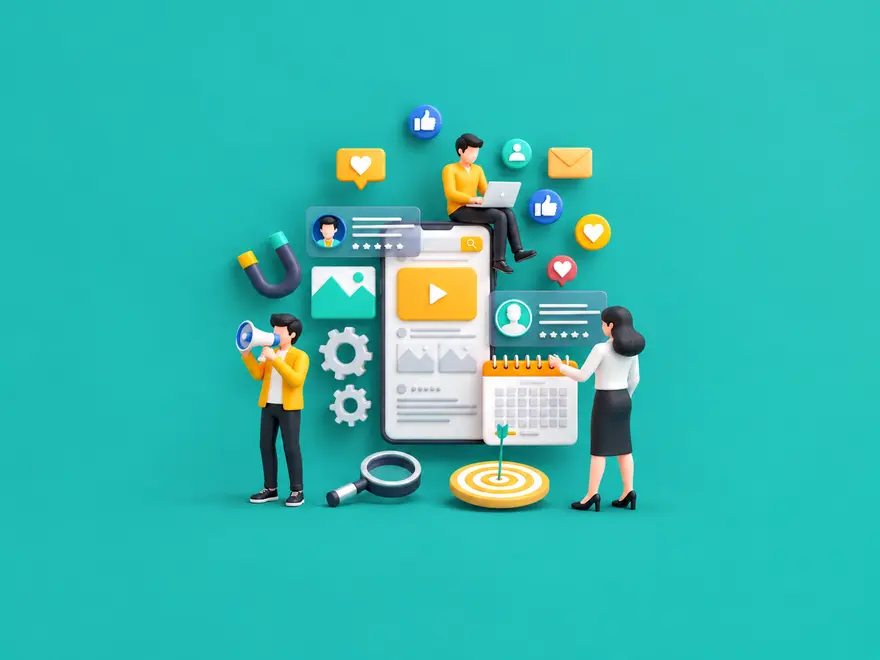
Learn how to drive measurable website traffic from Instagram, X, Facebook, and LinkedIn using platform-specific content, clear CTAs, relevant landing pages, and GA4 tracking.
Social media can be a powerful source of website traffic when it is used to distribute useful content, build an audience, and give people a clear reason to visit a specific page. The goal is not simply to collect followers or publish links as often as possible. The goal is to attract the right people, send them to the right landing page, and measure what happens after the click.
In 2026, social platforms continue to change quickly. Features, algorithms, link placements, and content formats evolve, so a strong strategy should focus on principles that remain useful across platforms: relevant content, clear calls to action, platform-specific formats, consistent publishing, audience engagement, and accurate traffic measurement.
This guide explains how to increase website traffic through Instagram, X, Facebook, and LinkedIn, how to track social traffic in GA4, and which common mistakes can reduce the value of your social campaigns.
How Social Media Can Increase Website Traffic
Social media can generate website visits in several ways:
- Profile and bio links.
- Links in posts where the platform supports them.
- Stories or other temporary content formats.
- Paid social campaigns.
- Community engagement and brand discovery.
- Direct messages and conversations.
- Content sharing and recommendations.
- Returning visitors who first discovered the brand on social media.
The most valuable social traffic usually comes from users who already understand why they are clicking. A clear post, relevant landing page, and strong message create better traffic than dropping the same generic link across every platform.
Increase Website Traffic Through Instagram
Instagram is highly visual, so the strongest traffic strategy usually begins with content that creates interest before asking users to leave the platform.
Use your profile links strategically
Your profile should make it obvious what your business does and where users should go next. Instead of always linking to the homepage, direct users to the page that best matches your current campaign.
Useful destinations can include:
- A campaign landing page.
- A new product or service.
- A special offer.
- A recent article.
- A registration page.
- A lead-generation page.
If you change the destination, make sure the profile text and recent content still explain what users will find after clicking.

Use links in Stories when relevant
Stories can create timely traffic for launches, limited offers, events, new articles, and other short-term promotions. Use a clear call to action so people understand why they should tap the link.
Good Story CTAs are specific:
- Read the full guide.
- View the product.
- Reserve your place.
- See pricing.
- Download the checklist.
Save important Stories as Highlights
If a Story contains information that remains useful after 24 hours, add it to a relevant Highlight. Highlights can act like a small navigation layer for visitors who are exploring your profile for the first time.
Useful Highlight categories may include:
- Services.
- Products.
- Reviews.
- Guides.
- Events.
- FAQs.
Create content that makes the click worthwhile
Do not make every Instagram post a direct promotion. Educational carousels, short videos, demonstrations, before-and-after examples, customer stories, and useful visual tips can build enough interest that a website visit feels like a natural next step.
Increase Website Traffic Through X (Formerly Twitter)
X is useful for real-time discussion, commentary, news, niche communities, and direct distribution of links. The platform works best when links are combined with a strong reason to click rather than published alone.
Complete your profile
Use a clear profile description and add your website or most important destination where the platform allows it. Visitors should understand your topic, offer, or expertise before leaving the profile.
Pin an important post
A pinned post can send profile visitors to a high-value page such as:
- A flagship guide.
- A product launch.
- A service page.
- A newsletter.
- An event page.
- A current campaign.
Use text, images, and video together
Visual content can make a post easier to notice, but the media should support the message. Use screenshots, charts, short clips, product demonstrations, or original visuals when they make the topic easier to understand.
Repurpose evergreen content
You do not need a new article every time you post. Useful older content can be repackaged as:
- A short thread.
- A single insight.
- A statistic with context.
- A checklist.
- A question and answer.
- A fresh visual.
Update the original page first if the information has become outdated.
Increase Website Traffic Through Facebook
Facebook can still send useful website traffic through Pages, communities, video, paid campaigns, and shared content. The exact strategy should depend on whether your audience actively uses the platform.
Optimize your Facebook Page
Keep your business information accurate and make it easy for visitors to understand your offer. Use the website field and relevant calls to action where available.
Share useful content, not only promotional links
Posts that explain, demonstrate, compare, or answer a question can create stronger interest than repeated sales messages.
You can use:
- Native video.
- Images.
- Short educational posts.
- Customer stories.
- Events.
- Relevant website links.
Build an engaged audience
Ask relevant questions, respond to comments, and participate in conversations. Avoid spammy engagement tactics or asking people to share content without giving them a useful reason.

Use paid campaigns when organic reach is not enough
Paid social campaigns can help you reach a defined audience more quickly. Send each campaign to a landing page that matches the advertisement and track the campaign separately from your organic social traffic.
Increase Website Traffic Through LinkedIn
LinkedIn is especially useful for B2B companies, professional services, recruiting, industry education, and thought leadership. The audience may be smaller than on some consumer platforms, but the traffic can be valuable when the topic matches a professional need.
Make your profile or Page complete
Explain clearly who you help, what you do, and where users can learn more. LinkedIn currently supports website information in profile contact details, and business Pages can publish posts with URLs and other media formats. citeturn368575search1turn368575search5
Publish professional content with a clear next step
Useful LinkedIn content can include:
- Industry analysis.
- Original data.
- Case studies.
- Professional lessons.
- Short educational posts.
- Document posts.
- Videos.
- Relevant links.
When you link to your website, explain what additional value the visitor will get there.
Engage before you promote
Building recognition through useful comments, discussions, and relevant professional connections can make later traffic campaigns more effective. Social platforms are communities first; publishing links without participating rarely creates a strong audience.
Use Platform-Specific Content Instead of Copying the Same Post Everywhere
Each platform has different user expectations. A successful social traffic strategy usually adapts the same core idea rather than copying the identical post four times.
For example, one article could become:
- An Instagram carousel.
- A short Instagram Reel.
- An X thread.
- A Facebook discussion post.
- A LinkedIn document or professional insight.
The website article becomes the deeper destination, while the social content provides enough standalone value to earn attention.
Match the Landing Page to the Social Post
One of the easiest ways to waste social traffic is to send users to a page that does not match the post they clicked.
If the social post promotes a specific guide, send people to that guide. If it promotes a product, send them to the relevant product or category. If it promotes an event, use the registration page.
A strong social-to-site journey looks like this:
Social Post → Relevant Landing Page → Clear Next Step
This becomes even more important when you pay for the traffic.
Track Social Media Traffic in GA4
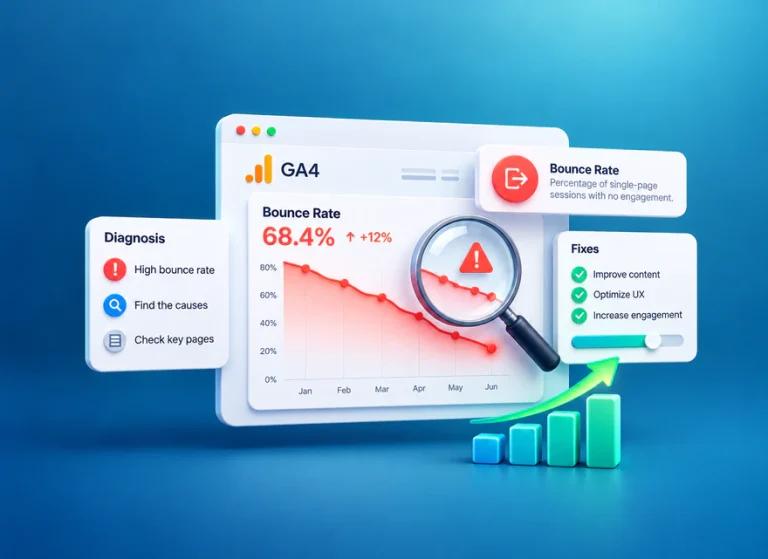
Google Analytics 4 can help you understand which social sources send traffic and what those visitors do after reaching your website.
Useful metrics include:
- Users and sessions.
- Source / medium.
- Landing page.
- Engagement rate.
- Average engagement time.
- Key events.
- Purchases or revenue.
Use UTM parameters for campaigns when you need to separate different posts, paid campaigns, influencers, or creative variations.
For example:
https://example.com/guide/?utm_source=linkedin&utm_medium=social&utm_campaign=seo_guide
Does Social Media Traffic Improve Google Rankings?
Social media traffic should not be presented as a guaranteed way to improve organic rankings. A visit from Instagram, Facebook, X, or LinkedIn does not automatically make a page rank higher in Google.
Social distribution can still support a wider marketing and SEO strategy indirectly by helping more people discover your content. That exposure can lead to:
- Brand awareness.
- Returning visitors.
- Natural mentions.
- Editorial links.
- More customer feedback.
- Content ideas based on real audience questions.
Those are useful outcomes, but they are different from claiming that purchased or organic social visits directly manipulate Google’s ranking systems.

Bring targeted visitors from your chosen social platforms and measure which audiences engage with your content.
Common Social Media Traffic Mistakes
Posting only links
If every post asks users to leave the platform, the account can become repetitive. Give users useful native content as well.
Using the same message on every platform
Adapt the format and tone to the audience and platform.
Chasing clicks instead of valuable visitors
A smaller number of relevant visitors can produce more leads or sales than a large volume of poorly matched traffic.
Ignoring landing-page experience
Social traffic cannot compensate for a slow, confusing, or irrelevant destination page.
Failing to use campaign tracking
Without UTMs or consistent campaign naming, it can be difficult to compare which posts and campaigns actually generated useful results.
Using outdated platform tactics
Platform features change frequently. Avoid building an article or campaign around old limits, old names, or interface instructions that may no longer exist.
Social Media Traffic Checklist
- Choose platforms where your audience is actually active.
- Optimize profile and Page information.
- Use a clear website destination.
- Create platform-specific content.
- Give users a reason to click.
- Match each campaign with a relevant landing page.
- Use UTMs for campaigns that need separate tracking.
- Measure engagement and key events in GA4.
- Compare traffic quality by platform.
- Repurpose strong evergreen content.
- Use paid promotion only with clear goals and tracking.
- Do not present social traffic as a guaranteed organic ranking tactic.
Conclusion
Social media can become a reliable source of website traffic when the strategy is built around audience relevance rather than follower count alone.
Use Instagram, X, Facebook, and LinkedIn differently according to how people use each platform. Publish useful native content, create a clear reason to visit your site, send users to the most relevant landing page, and measure what they do after arriving.
The best social traffic strategy is not the one that generates the most clicks. It is the one that consistently attracts the right visitors and turns attention on social platforms into measurable website outcomes.
Frequently Asked Questions
Quick answers to common questions about increase website traffic through social media
There is no universal best platform. Choose based on where your target audience is active and which content formats fit your business. LinkedIn may work well for B2B companies, while Instagram may be stronger for highly visual consumer brands.
Use relevant profile links, Story links, Highlights, campaign content, and clear calls to action. Send users to a page that matches the post or campaign.
Yes. X can send traffic through profile links, pinned posts, regular posts, threads, and other content that gives users a clear reason to visit the website.
LinkedIn can be especially useful for B2B, professional services, recruiting, education, and industry content.
Use GA4 to review source, medium, landing pages, engagement, key events, and revenue where applicable. Add UTM parameters when you need more detailed campaign attribution.
No direct ranking improvement is guaranteed simply because users arrive from social media. Social distribution can still help content discovery, brand awareness, natural mentions, and other indirect marketing outcomes.

Comments
Leave a Comment